
Schools are often places where changes in a young person’s wellbeing are first noticed. Yet many staff say they feel unsure how to respond when concerns relate to suicide. Building confidence, shared language and emotional readiness is therefore not just helpful, it is essential to safeguarding.
Increasingly, Northamptonshire charity, Kelly’s Heroes, finds its work recognised in a peer-reviewed academic journal, marking an important moment for community-led suicide prevention.
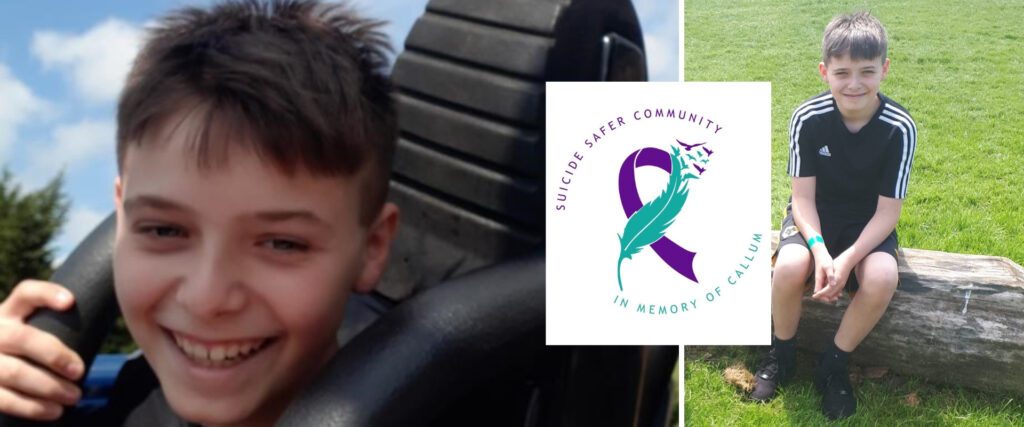
Its work grew out of a deeply painful reality. Following the death of a 13-year-old Callum Woodcroft by suicide, the Nene Education Trust community faced collective grief and heightened vulnerability across its schools. Leaders recognised the need to support staff not only emotionally, but practically, ensuring they felt able to notice warning signs and have safe, supportive conversations.

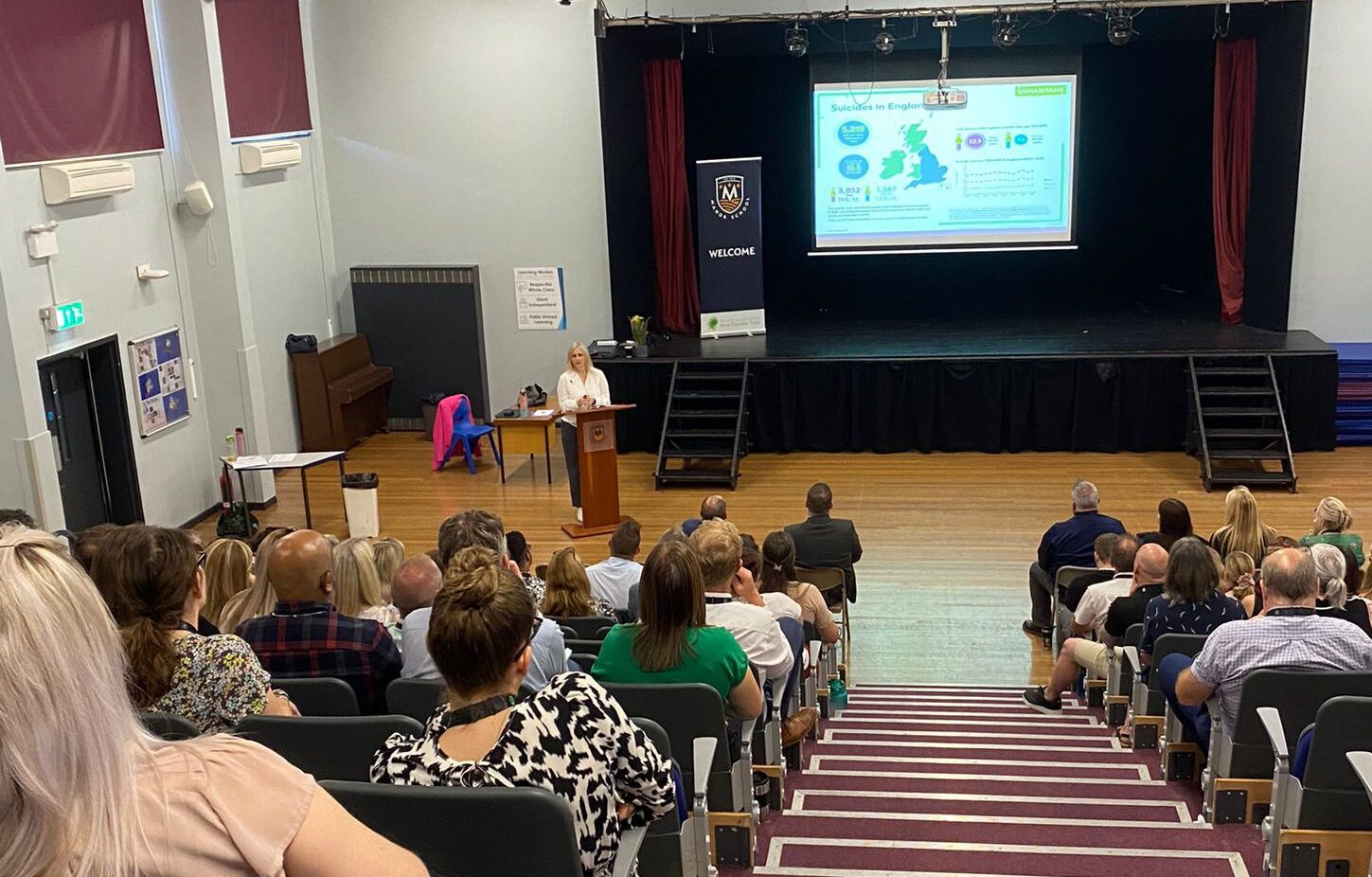
In response, Kelly’s Heroes partnered with the trust, working closely with CEO Matt Coleman and school leaders to design and deliver a brief suicide awareness session tailored to the real experiences of school staff. The focus was simple but powerful: giving people the confidence and language to talk and the clarity to know what to do next.
Collaboration at the heart
The initiative brought together lived experience, education leadership and academic expertise.
Kelly’s Heroes delivered the training to around 400 staff across the trust, covering stigma reduction, safe language, recognising distress and pathways to support.
Researchers from the University of Northampton then evaluated the impact, capturing staff feedback on confidence, language and emotional readiness. This partnership ensured the work was not only meaningful in practice, but robust enough to contribute to the wider evidence base.
The evaluation has now been published in the international journal, Pastoral Care in Education, under the title ‘Creating suicide-safer schools: evaluating the impact of brief awareness training on staff confidence, language and emotional readiness’.
The study highlights how brief, well-designed training can increase awareness of non-stigmatising language, help staff feel more able to initiate conversations and reinforce the importance of ongoing support and follow-up. Crucially, it positions suicide awareness as part of everyday pastoral practice, not a specialist add-on.
The research assessed changes in confidence, language use and emotional preparedness.
Key findings included:
- A clear increase in staff confidence to engage in conversations about suicide, with the majority of participants reporting they felt better prepared to initiate discussions they previously avoided.
- Equipping educators with direct, sensitive language reduced fear around ‘saying the wrong thing’, which was a major barrier prior to training.
- A reduction in anxiety and avoidance around the topic, with staff describing themselves as calmer and more emotionally ready to respond to concerns.
- Brief, targeted training can help create more suicide-aware and potentially safer school environments when aligned with safe-guarding systems, with impact driven by quality and relevance rather than duration.
The research strongly supports the need for suicide prevention training to be embedded within school wellbeing and safeguarding frameworks. Kelly’s Heroes is playing a critical role in demonstrating how suicide prevention in education can be delivered responsibly and effectively.
It is not about turning educators into clinicians. It is about ensuring they are confident, informed and supported within a coherent local system. The evidence shows that when staff are equipped with the right language and understanding, schools move closer to environments where risk is recognised earlier and support is accessed sooner.
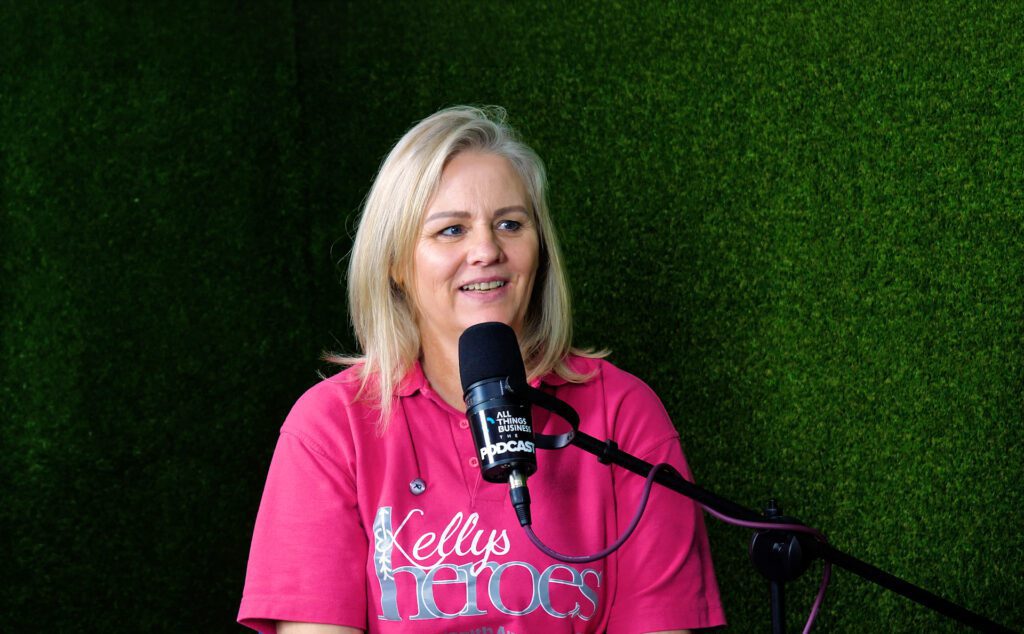
Sherry Adams, CEO, Kelly’s Heroes, said: “Suicide prevention works best when it is part of everyday safeguarding, not treated as a specialist or crisis-only response. This study shows that even brief, well-designed training can make a meaningful difference when it is aligned with local services and support in school environments.”
What this means for schools
As the education landscape continues to evolve, including changes to wellbeing and PSHE expectations, the findings underline a clear message: staff need accessible, evidence-informed training that acknowledges both the emotional and practical realities of their role.
The publication demonstrates how collaboration between a grassroots charity, schools and researchers can translate lived experience into meaningful change, influencing both practice and policy conversations.
For Kelly’s Heroes, the journey from community need to peer-reviewed publication is a powerful reflection of what can happen when local action meets shared purpose.
What began as a response to grief has become part of the growing evidence on how schools can create safer, more compassionate environments for young people. The charity continues to work alongside schools, families and partners to reduce stigma, strengthen confidence and ensure no one feels they have to face difficult moments alone.
Rick Murphy, Senior Lecturer in Psychology and Counselling, University of Northampton, said: “The research clearly demonstrates the effectiveness of the training and the wider importance of discussing suicide with teaching and school staff.”
The relevance of the research
Suicide prevention is not only about crisis moments, it is about everyday interactions, understanding and connection. When people feel prepared and confident, others are more likely to feel safe speaking up. As communities deepen their understanding of mental health, stigma decreases and support becomes more accessible.
Kelly’s Heroes will continue working alongside schools, families and local partners to build safer, more informed communities, shaping environments where no one feels they have to face difficult moments alone.
You can read the full report here.
To learn more about bringing this training to an organisation, school or community, contact the team at Kelly’s Heroes by emailing hello@kellysheroes.org.uk or visiting their website.