

So, Rachel Reeves has delivered her budget to the nation and it’s important to consider the Budget from a solicitor’s viewpoint and what it means to the general public and business community.
Was it as bad as feared? As far as a solicitors practice is concerned, certainly not. For law firms, pre-Budget rumblings about a raid on Limited Liability Partnership (LLP) profits were the talk of the town. The Chancellor had been expected to announce a raid on profits made by LLPs through higher National Insurance contributions, which, it was said, would raise around £2bn by November 2026. Thankfully for law firms, these proposals were dropped when Treasury modelling forecast that through tax avoidance schemes, the proposals might cost more than they would raise.

The question before the Budget was would such a proposal give rise to a change in structure for law firms, with businesses moving away from LLP structures and incorporating into Limited Companies. The removal of the LLP tax raid has made that unlikely and, further, the announcement by the Chancellor in her Budget of a rise in dividend tax is likely to make conversions from LLP structures to Limited Companies as core trading vehicles for law firms even less appealing in the future.
There was, of course, some bad news for law firms as businesses. The Chancellor announced a £2,000 per year cap on the amount that can be put into pensions through a salary sacrifice agreement from April 2029. Analysts believe that the reduction in this relief will almost certainly give rise to inflationary pressures for salaries in law firms. There is also a wider implication for the economy – being the risk that individuals who have the financial ability to save for their retirement will, as a consequence of this decision, provide less for their retirement. That, combined with the reduction to the amount that individuals can save in Cash ISAs to £12,000 from £20,000 from April 2027, has the potential to increase the state’s costs in retirement because individuals have made a lesser provision.

Many legal practices and businesses in other sectors have been exploring the use of Employee Ownership Trusts (EOTs) to encourage employee ownership. The Chancellor announced a reduction in Capital Gains Tax Relief for disposals to EOTs and it is likely that those who were considering converting to an EOT will now be discouraged from doing so.
All businesses, including law firms, have been heavily impacted by this Government’s previous Budget measures through increasing employee costs as a result of the increase in Employers’ National Insurance Contributions and the increases in the National Minimum Wage. In the Budget, the Chancellor’s announcements continued the squeeze with Employers’ National Insurance threshold rates being frozen until 2031 resulting in increased employer contributions over time as wages rise with inflation. Similarly, the National Minimum Wage increases will also squeeze margins, particularly in those industries who employ casual and seasonal workers.
In terms of the wider headlines arising out of the Budget, the main one has to be the basic premise that the tax burden for everyone will increase as a result of it. The tax threshold bands for personal taxation will now remain frozen until 2031, a continuation of a further three years. Accurately, this has been described in many quarters as a stealth tax. The Government can claim that it has not increased the headline rate of taxation, but by freezing the thresholds, anyone receiving a pay rise will inevitably pay more tax. Between now and 2031 incomes will rise as they keep pace with inflation. Frozen thresholds, being the point at which individuals start to pay tax, will result in a higher proportion of an individual’s income becoming taxable giving rise to increased deductions from salary.

Income tax thresholds provide for a tax-free personal allowance, a basic rate of tax threshold, a higher rate and an additional rate. The rate of tax payable increases with each threshold. The hardest hit as a consequence of these announcements will be those who are closest to one of the tax thresholds as future pay rises are likely to push the individual over the frozen threshold and automatically into a higher rate of taxation. Additionally, the Chancellor announced that the Employee National Insurance Contribution will also be frozen increasing the amounts to be paid by employees as their incomes rise.
As to the Budget in overview, the measures announced have given rise to an expected record tax burden in the UK reaching a predicted 38.3% of GDP by 2030-2031.
As well as the increase in tax burden for all, the Budget has targeted wealth, investment and high-value property. An example of this being the so called Mansion Tax, creating a Council Tax surcharge of between £2,500 and £7,500 for properties worth in excess of £2m. The rationale behind the decisions made by the Chancellor? It gives the government more scope to spend while creating additional fiscal headroom in their own budgets with the Office for Budget Responsibility (OBR) forecasting a higher surplus as a result of the Budget.
Of the OBR, perhaps this was the biggest talking point from the day and its extraordinary publication of the OBR economic forecast in response to the Budget which appeared online some 40 minutes before the Chancellor addressed the House.
There are leaks and then there are OBR leaks. This one was unprecedented!

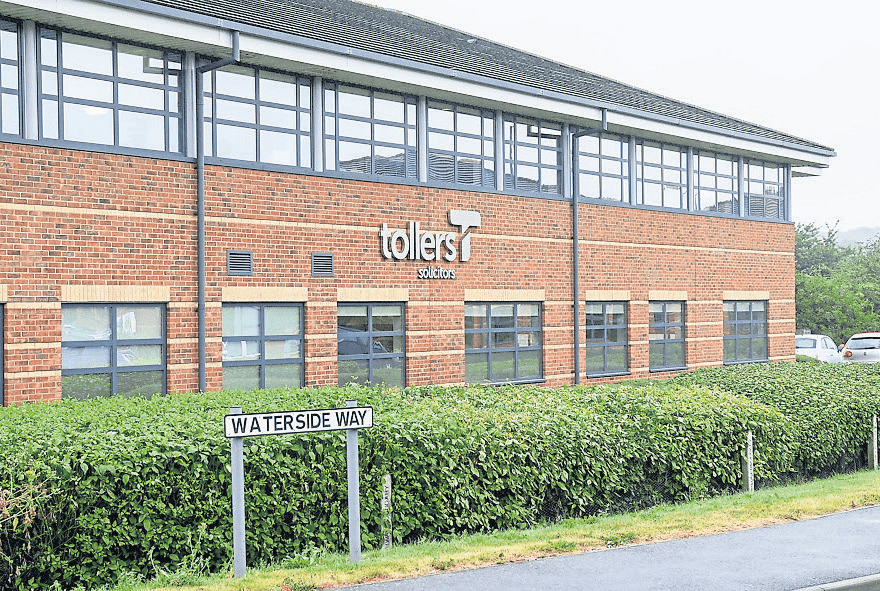
By Duncan Nicholson, Chief Executive Officer at Tollers Solicitors.
Find out more about Tollers Solicitors on 01604 258558 or visit their website.