

January has earned itself a reputation, and it’s not a good one. After the festivities of December, many people enter the New Year feeling flat, tired and quietly overwhelmed. The optimism of New Year, New Me often fades quickly, replaced by darker mornings, financial pressure and the sense that we should feel motivated… but don’t.
January is one of the busiest times at Arthur Ellis. Not because people suddenly develop mental health challenges, but because winter conditions combined with unrealistic expectations can make existing struggles harder to manage.

Understanding why January feels difficult is the first step towards supporting ourselves, our colleagues and our communities. January brings a unique mix of pressures:
- The emotional drop after Christmas
- Reduced daylight and colder weather
- Financial pressures following December spending
- A return to routine after time off
- The annual push to reset or transform
While goal setting can be positive, the New Year, New Me narrative often sets people up to fail. It suggests motivation should arrive neatly on January 1, and when it doesn’t, disappointment can quickly take hold. Th is is often amplified around Blue Monday, commonly referred to as the most depressing day of the year. While not scientifically proven, the concept resonates because by mid-January many people are experiencing low energy, low mood and reduced motivation. In workplaces, this shows up quietly through withdrawal, irritability or disengagement.
Why small habits matter more than big resolutions
When motivation is low, large resolutions can feel overwhelming. That’s why Arthur Ellis focuses on small, consistent behaviours, using its Bananas and Doughnuts Framework.
Bananas are habits that nourish wellbeing: Move, Focus, Discover, Communicate and Help. These behaviours are proven to support mental health and don’t require major lifestyle change, just regular, achievable action.
Doughnuts are the habits we turn to when life feels hard, such as endless scrolling, withdrawing from others or pushing through exhaustion. Doughnuts aren’t bad – comfort is human! But when they replace bananas for long periods, wellbeing suffers.
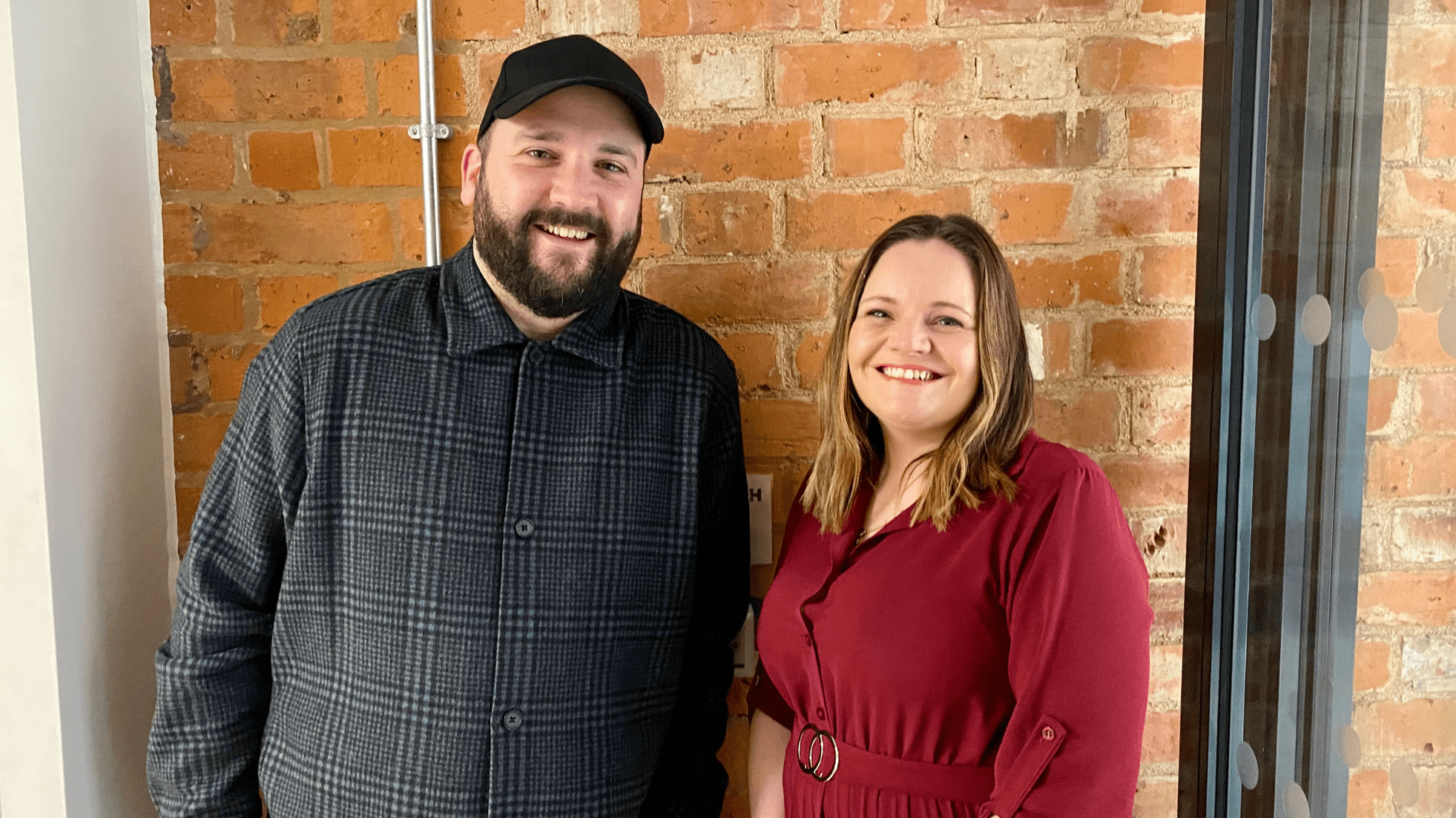
“January is when people are hardest on themselves,” said Jon Manning, Founder of Arthur Ellis. “We see people trying to overhaul their lives at the exact moment their energy is at its lowest. Wellbeing isn’t about perfection, but small, repeatable actions that support us when motivation is low.”
Even one banana a day – a short walk, conversation or moment to reflect – can make a meaningful difference.
The role of workplaces
Loneliness often becomes more visible in January once festive routines fade. For many people, work provides structure and connection, making workplace culture especially important. Simple actions help: checking in beyond performance, making time for informal connection, normalising conversations about mental health and dropping the pressure around those ‘fresh start’ expectations.
January doesn’t need more demands, it needs compassion, flexibility and understanding.
January doesn’t have to be a month we endure. With realistic expectations, small wellbeing habits and stronger connections, it can become a time of steadier, kinder progress. Not perfect, but human – especially at work, where small actions from leaders can have a huge impact.
To find out more about support available through the Workplace Membership Programme visit the Arthur Ellis website.