
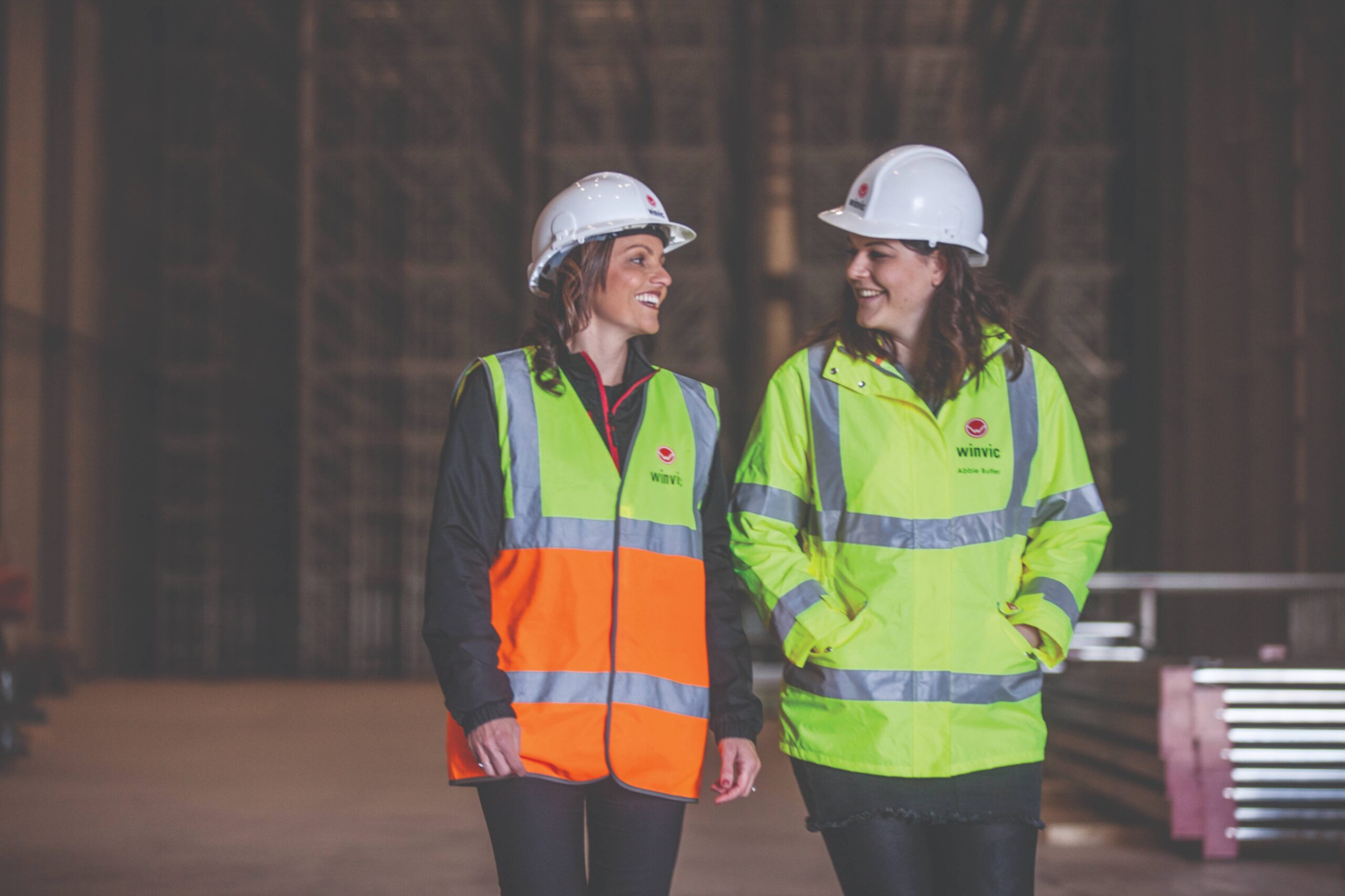
Too often, construction is perceived as a sector of muddy building sites, heavy equipment and hard hats – something that has represented both a challenge and an opportunity for Winvic.
The construction company, which now employs more than 650 people, has committed to developing an ethos of embedding social value, sustainability and inclusion at the core of its proposition and, in doing so, reframing what a modern construction business can be.
Here, Heidi Salmons, Director of Marketing, Business Development and Social Responsibility, admits there’s still more to be done to change outdated perceptions and encourage more young people to consider construction as a career opportunity, but also highlights the opportunities available in what is a misunderstood industry.
What drew you into the construction sector?
My first job was with a construction machinery company, then an interiors fit out business and a public sector regeneration company in Corby and North Northamptonshire, which were all linked with the built environment in some way. I also worked for the Headmasters and Headmistresses’ Conference, which represents leaders of independent schools, and I think what I took from that and the regeneration body was about how to go about changing perceptions.
Whether it was about independent schools, places or misconceptions about the construction sector and how we encourage young people in, all that experience meant I’ve become fascinated, as a marketing and communications specialist, about seeing the positives and trying to change attitudes.
Construction is one of the most misunderstood industries. The awareness of the breadth of opportunities for careers is still not there. And, when I first became involved in establishing Winvic’s approach to social value and its first sustainability strategy, I realised how that could be used to broaden the appeal of construction while contributing to local communities.
How did you go about putting that into practice?
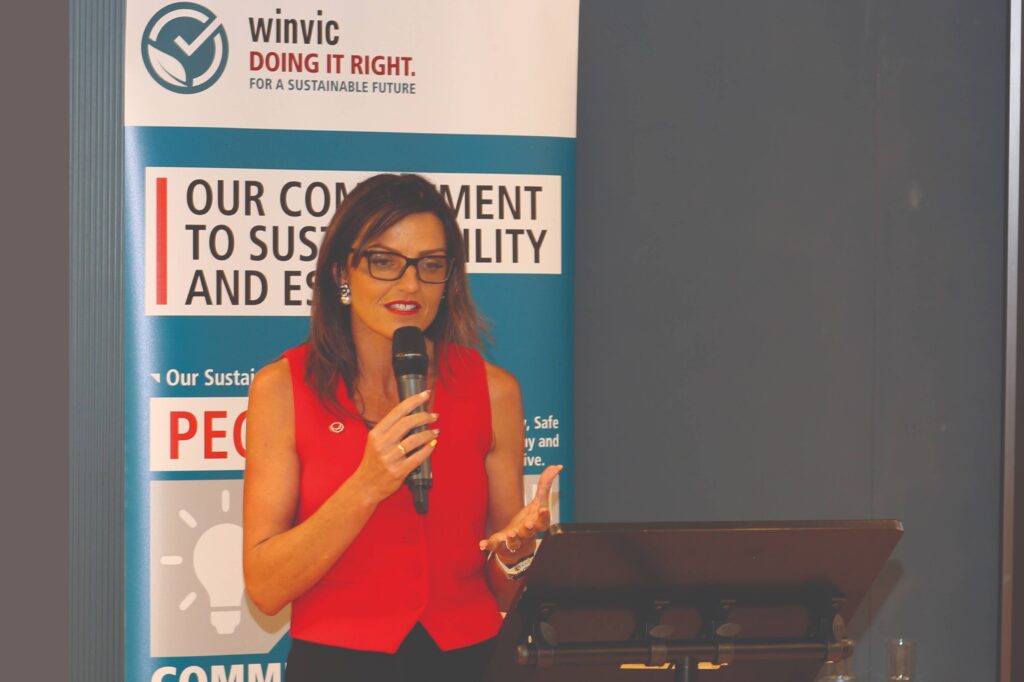
Firstly, it could only happen because Winvic’s ethos has always been to be a responsible business. At our core we’re about people and communities, as reflected in our Sustainability Pillars, as well as the planet and innovation.
If you really take all that and make it a core part of your business, although it involves investment in terms of both time and money, it delivers benefits because it gives you the opportunity to reach out to young people and raise awareness of the industry.
Young people today have a different approach to the world of work and want to know that an employer has a strong ESG ethos, and we need to embrace that if we want to appeal to the best people. Yes, we want a strong and diverse workforce, but we also want the very best people, and we need to do things the right way to attract those people.
Secondly, showcasing our innovation and use of technology sends a powerful message. Today’s talent – particularly Gen Z and even more so the emerging Gen Alpha – have grown up with digital tools as second nature. To inspire them, we need to both appeal to their expectations and learn from their perspectives, while demonstrating how the day-to-day operation of construction projects and sites has evolved.
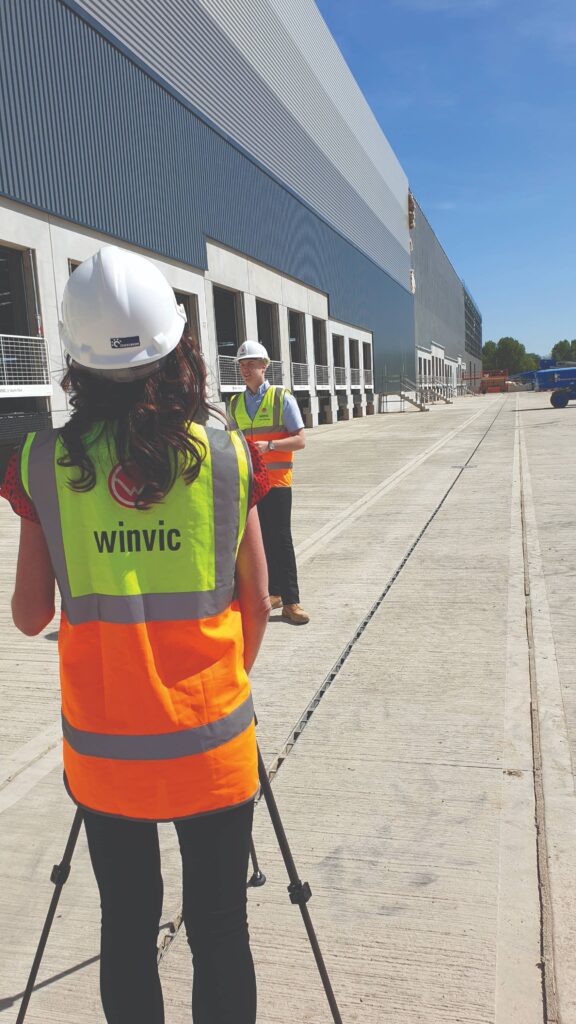
When we go out to careers fairs, we take our apprentices and industry placements along with us because the young people we are trying to attract are far more engaged when they are being inspired by others, not much older than them. Similarly, when we bring students to our sites, demonstrating the latest tech, such as remotely operating a crane or using robotics to mark out building floorplans, shows just how much the industry has evolved. Being a crane driver hundreds of feet up in the air on a building site might not appeal to everyone, but now there are ways of doing things that are more accessible and appeal to a wide range of skills, especially those who have grown up with gaming and virtual reality.

And how does the strategy and ethos look to clients?
ESG is important to us, but gaining buy-in from both our clients and supply chain has been essential. Environment and sustainability are embedded across construction these days, and every step of the supply chain must measure and monitor its impact.
We have always delivered exceptional service to our clients, and growth has followed naturally from those relationships. We are committed to supporting our suppliers to meet their ESG goals too, working with them as part of a Green Supply Chain forum so that they can benefit from sharing knowledge, developing together and moving forward more quickly through collaboration.
We meet with clients regularly and make sure they are up to speed with emerging regulations and industry standards so they can plan ahead and in doing so avoid costly modifications in the future.
From an early stage, we championed an ESG approach that includes creating social value on every scheme, whether or not it was a client or planning requirement. While this requires investment in people’s time or resources, we did it because we believe it’s the right thing to do. That’s become a core part of the Winvic value added offer.
Our proactive approach has put us in a strong position. We’re always looking ahead at the evolution of the industry and our sustainability journey, and we believe this keeps us ahead of the curve.
On every project, our commitment is evident in the experience we deliver for our clients and that’s been a major factor in our continued success.
Keeping pace with rising ESG expectations requires continuous investment. It’s challenging, especially across such a broad supply chain, but we believe through collaboration and support we can accelerate progress for everyone.
So how does all that combine to change perceptions?
If you really take this and make it a core part of your business, it gives you the opportunity to reach out to young people and raise awareness of the industry in ways you wouldn’t otherwise.
People need to understand the breadth of jobs, the skills and the rewarding career paths that could open up in front of them.
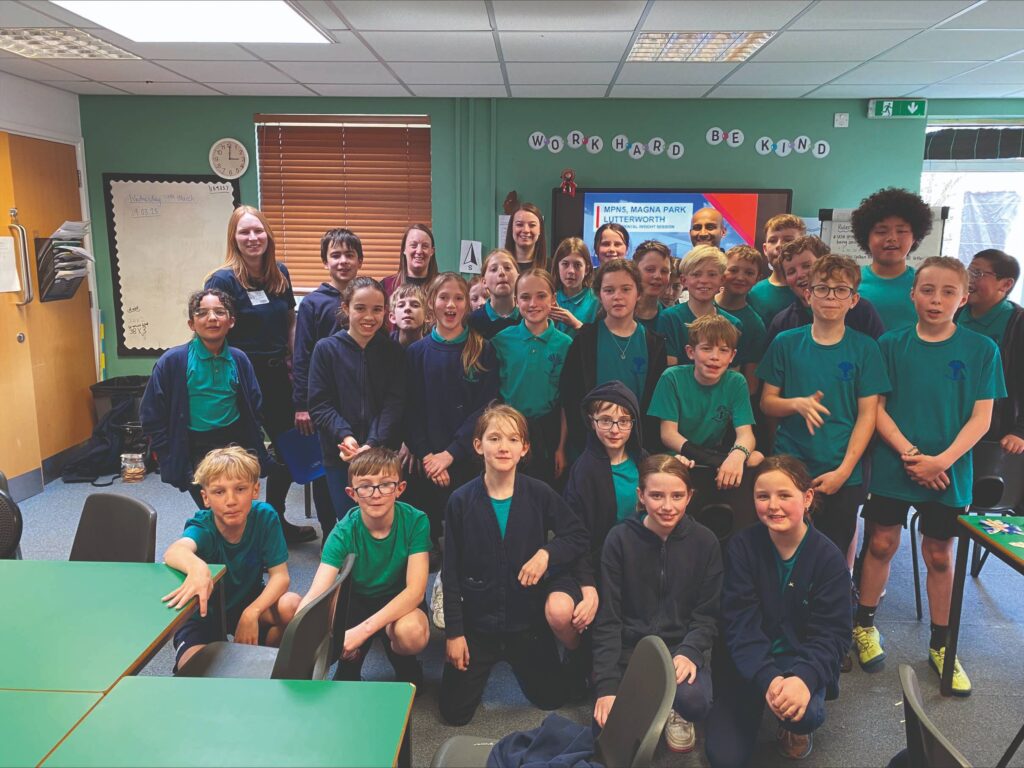
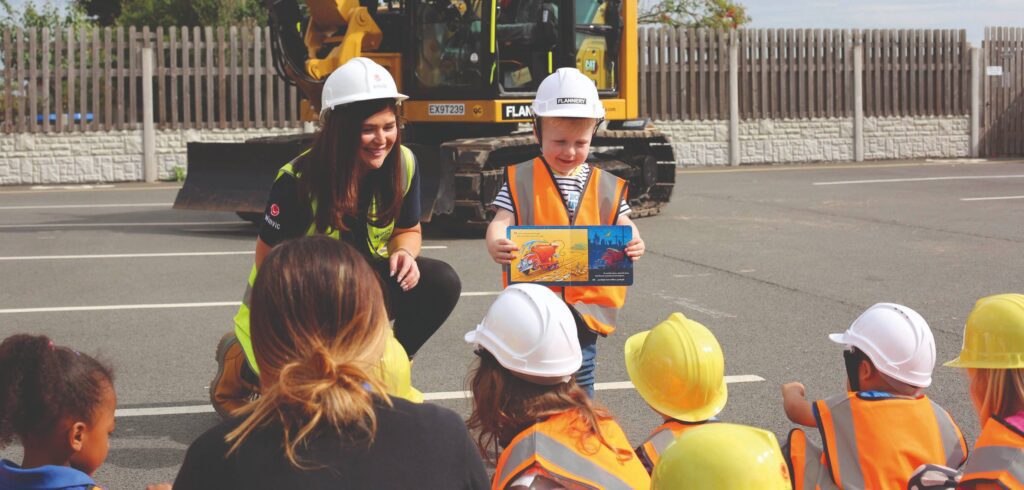
Too often, construction isn’t seen as a first-choice profession. We even go out and speak in nurseries and primary schools, because by the time children get to secondary schools and colleges their ideas are probably formed. Apprenticeships and T-Levels have been a gamechanger, providing a structured pipeline into the business. T-Levels off er students flexibility and exposure to different pathways before they decide what to specialise in, while also providing valuable industry experience.
Winvic now has apprentices in every department, from on-site roles like engineering and quantity surveying to marketing, pre-construction and estimating, while our year-in-industry placements offer undergraduates valuable hands on experience. Most of our placement students return after graduation, creating another strong talent pipeline.
And we have to take into account that it is a sector that has traditionally been male dominated and have strategies to address that. Our social value programmes help us reach diverse talent, and we sponsor the Female Construction Student of the Year award at Nottingham Trent University and actively promote opportunities to women more widely. But one of the key issues is not just attracting women into the business, but retaining them. So, we have enhanced maternity provision and structured support for women returning to work after having a family, which is supporting our excellent retention levels.
Similarly, by delivering social value on every project and forging partnerships across public and private sectors, we build networks that extend beyond traditional recruitment pools. Over the past five years we’ve seen a 40% increase in female employees at Winvic, a significant step forward in a sector where women currently represent just 18.8% of the workforce.
The sector offers robust salary prospects and opportunities for lifelong careers, and there’s scope to develop. Someone may start on site and migrate into design, digital engineering or sustainability; equally, a designer or planner might enjoy being on site and choose to become an engineer.
That is one of the construction sector’s strengths, we just need to champion this and challenge those outdated perceptions so construction is seen as the dynamic, inclusive and innovative industry it truly is.
Find out more about Winvic.