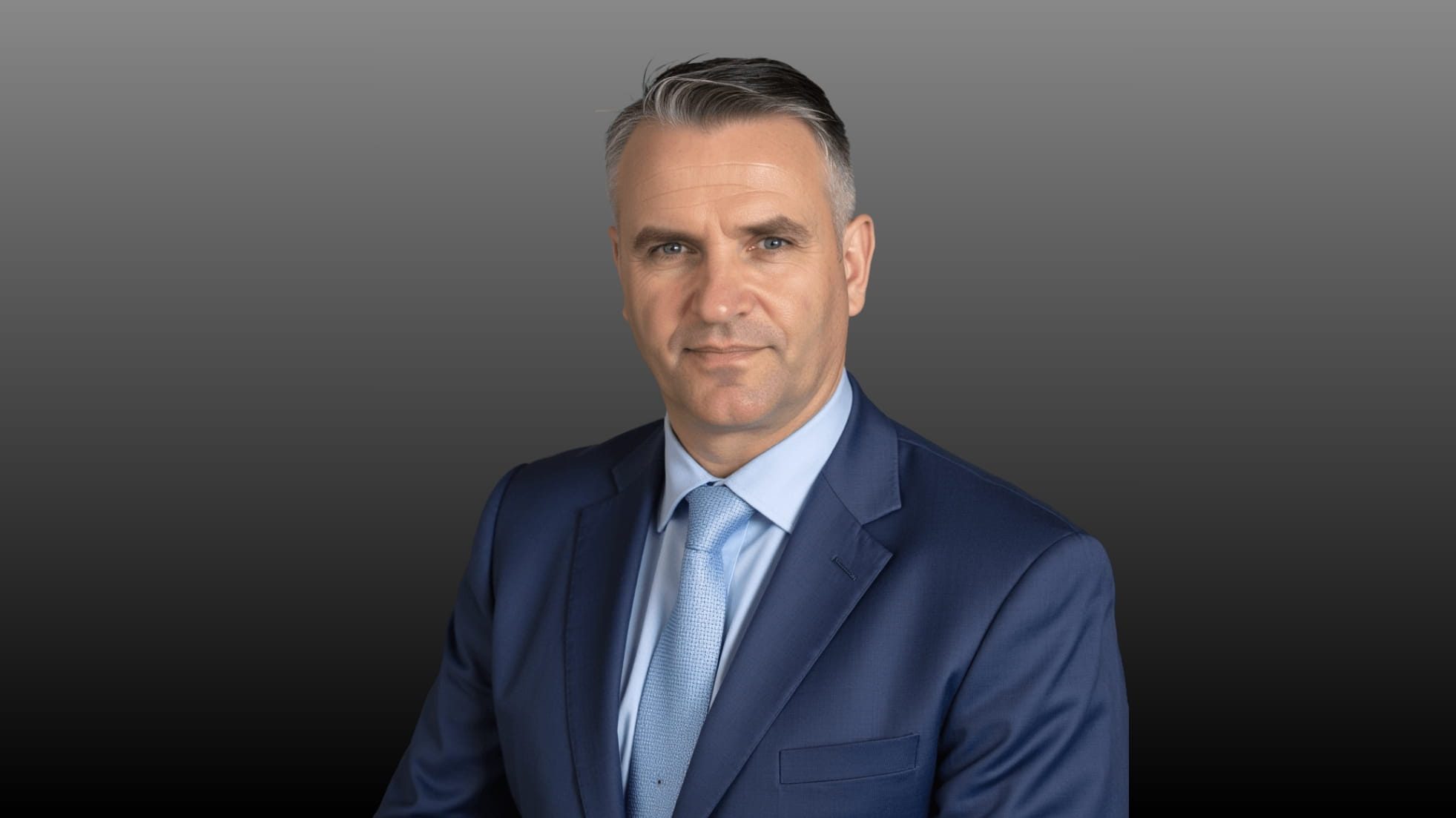

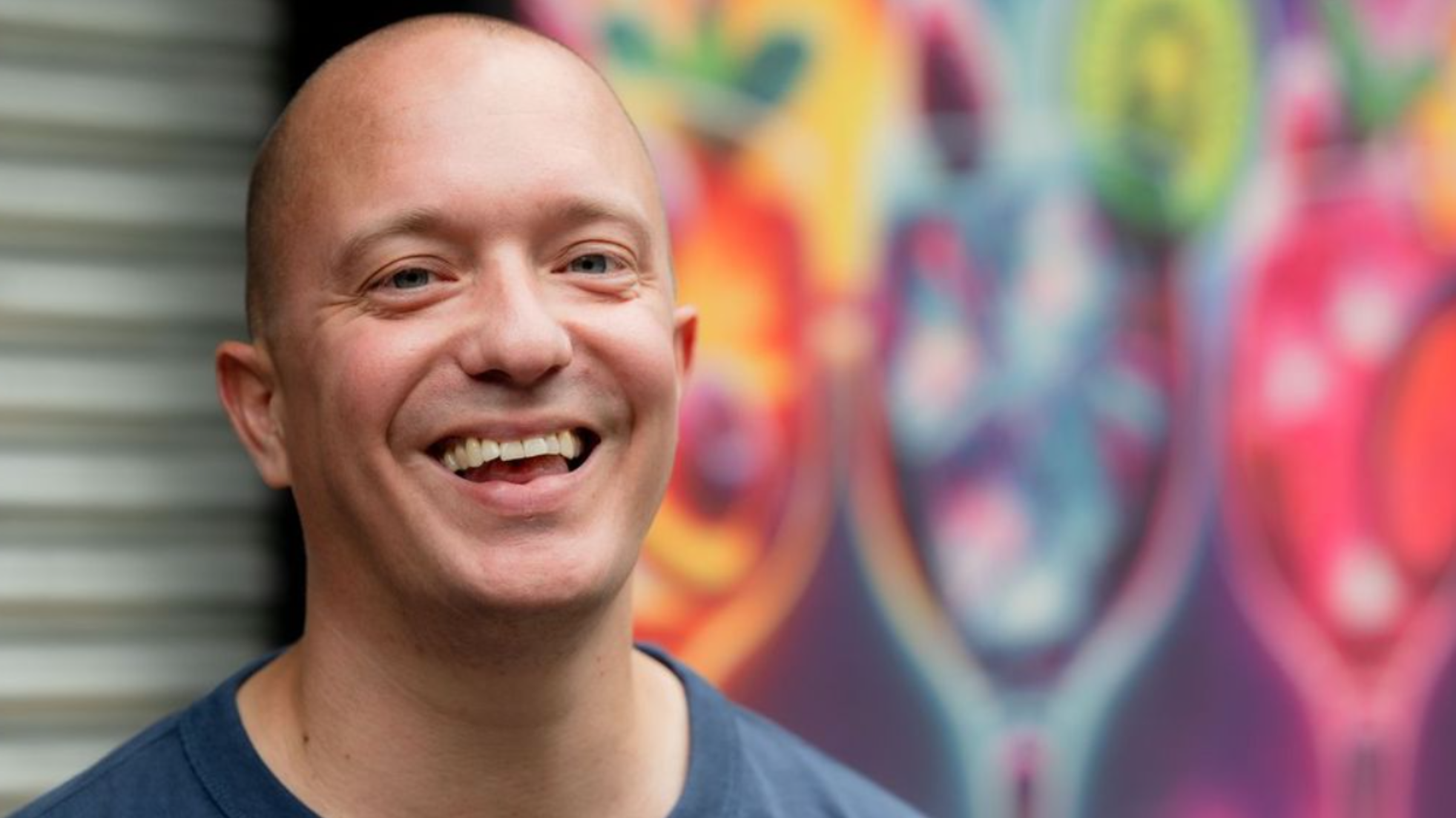
Dan Crompton is a recognised teamwork and teambuilding expert with deep experience in leadership, culture and organisational performance.
He draws on senior commercial leadership roles and front-line management experience to help organisations transform how teams collaborate, innovate and thrive in today’s workplace.
Trusted by global brands and fast-evolving businesses, Dan brings rigour, insight and real-world frameworks that deliver measurable impact.
An award-winning leadership coach and author, Dan’s work centres on helping leaders and teams break free from outdated management norms and build cultures where curiosity, collaboration and commitment are built into everyday practice.
His programmes and keynotes are grounded in practical methodology and informed by thousands of hours working with leaders across sectors including media, technology and public services.
With a track record of partnering with organisations such as ASOS, Facebook, the NHS and Booking.com, Dan’s insights shape how modern teams come together to solve complex challenges and unlock performance at scale.
In an interview with the London Keynote Speakers Agency, he shared his perspectives on collaboration, curiosity and leadership in the contemporary workplace.
Why do so many organisations still struggle to collaborate eff ectively, despite widespread recognition of its value?
One of the most common briefs I get when companies come and ask me to talk at their events or talk at their conferences is ‘We just want to get people together’. And it sounds like a vague brief, but I’m hearing it again and again.
And what that’s telling me is, particularly with hybrid teams, they’re simply not spending any time together. And when they do, they’re not collaborating. They’re working with their teams, they’re not working cross team.
So what’s happening more now than even five or ten years ago, is that teams are working in silos. Everyone knows collaboration sounds like a good thing. Everyone knows that it’s something that teams should be striving towards. But it’s knowing how to do that, how to collaborate, and when to collaborate.
What are those opportunities when we’re actually going to work together either as a team or even cross function? And so actually creating opportunities and giving teams frameworks to do that.
In some of my talks, I use a process called the Disney creative strategy. That’s a three-stage process where I get teams from different functions or different offices together to look specifically at a particular challenge that they’re facing or a particular opportunity. We go through these three stages in a process that was developed by Disney, still used by them today, and by countless other businesses around the world.
We know collaboration is a good thing, but if you have the tools of when to do it and how to do it, then it’s much more likely to happen.

What does a genuine culture of curiosity look like inside a business, beyond statements and slogans?
Whenever we talk about company culture, I always joke it can’t just be swirly writing on the wall. You know, if we write curiosity and innovation on the wall, just because someone passes that in the lobby on their way to their desk, it doesn’t mean that they know how to be curious or innovative when they’re actually sitting at their desk getting through their to-do list.
It needs to be built into routines, into how the team works, not just a kind of notional, very noble ambition of where we want to get to.
For something like curiosity, it’s about giving the team those moments, the frameworks of how to be curious, where to brainstorm, how to brainstorm, who to brainstorm with. And until you make it part of the system, part of the routine, it’s not going to happen.
Another great place to look is your appraisals. Are you, in your appraisals, assessing how curious people are? Are you giving them opportunities to experiment and try stuff out and fail and give things a go? Or are the goals a little bit too ordinary?
Sales and targets are important but giving your team members the permission to be curious is, I think, a big part of it.

With employee expectations shifting, what practical steps can business leaders take to build workplaces people actively want to stay in?
There’s one stat that always blows my mind, which is that between 2021 and 2022, the number of cases of bullying at tribunal went up 44% in the UK from one year to the next. And tribunal cases overall are going up.
Why that stat amazes me is because did every manager become a bully overnight? I don’t think so. Did every workplace culture become awful overnight? I don’t think so.
What it’s showing us is that attitudes to work have fundamentally changed. It was kickstarted by the pandemic, but there’s a few other factors to it.
Attitudes have fundamentally changed where people aren’t accepting company cultures that they would have accepted before.
They’re not accepting certain behaviours that they would have accepted before, and they’re not going to go quietly.
What that tells us about creating workplaces where people want to stay is that we, as leaders, really need to be mindful about the environment and the culture that we’re creating, more so now than ever before.
Employees keep telling us they’re craving flexibility, autonomy and work life balance. So what leaders need to be deliberate in doing is handing over autonomy to their team. We all know that we want our team to take more ownership. We want them to be more autonomous. We want them to have more responsibility. But actually doing that, it’s a set of specific skills that leaders need to learn to give that ownership to their team. Make sure that they’re supported, but given the autonomy to do the work.
“It’s not complicated, but it is really important to make sure that that is part of how managers are being trained. Rather than just blaming Gen Z for being demanding, we’re actually teaching our managers how to manage a new generation.
When you speak to business audiences, what behavioural change do you most want leaders and teams to take back into their organisations?
The only thing I want people to take away from my talks is that they go back to their desks and do something different. That’s the big thing for me.
It’s not just a nice day out, to listen and nod and say ‘Oh, that was interesting’, and then just go back to the routine.
My talks are more like workshops. It doesn’t matter if it’s a room of 30 or a room of 300. They are workshops where everyone is getting involved. Everyone is participating to some level on something that matters to them, something that is unique to them and their workplace, their work space.
The one thing I want is that people go back to the office and do something differently. Otherwise, what is the point?
This exclusive interview with Dan Crompton was conducted by Tabish Ali of the Motivational Speakers Agency. Find out more by visiting the Motivational Speakers Agency website.