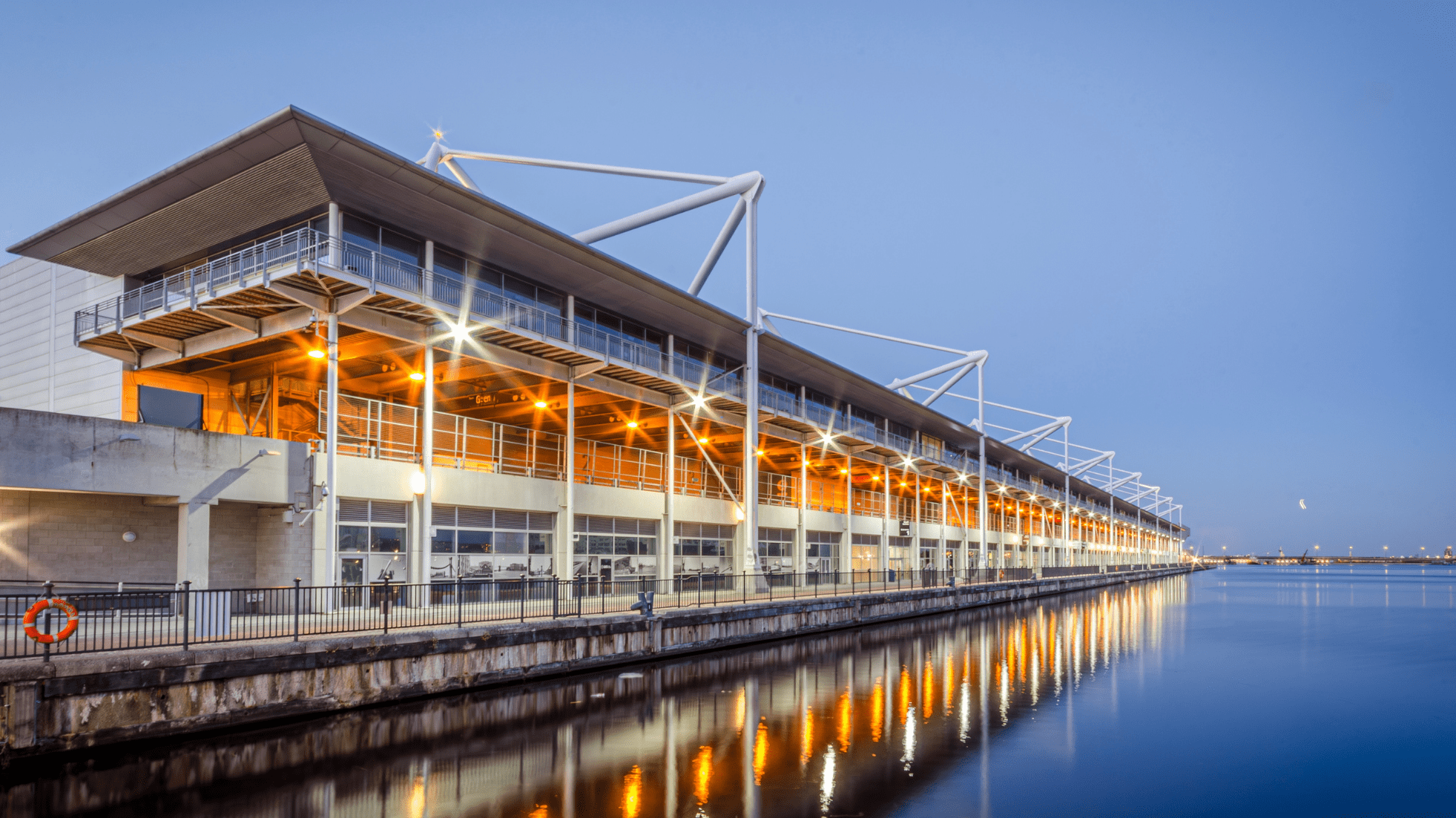

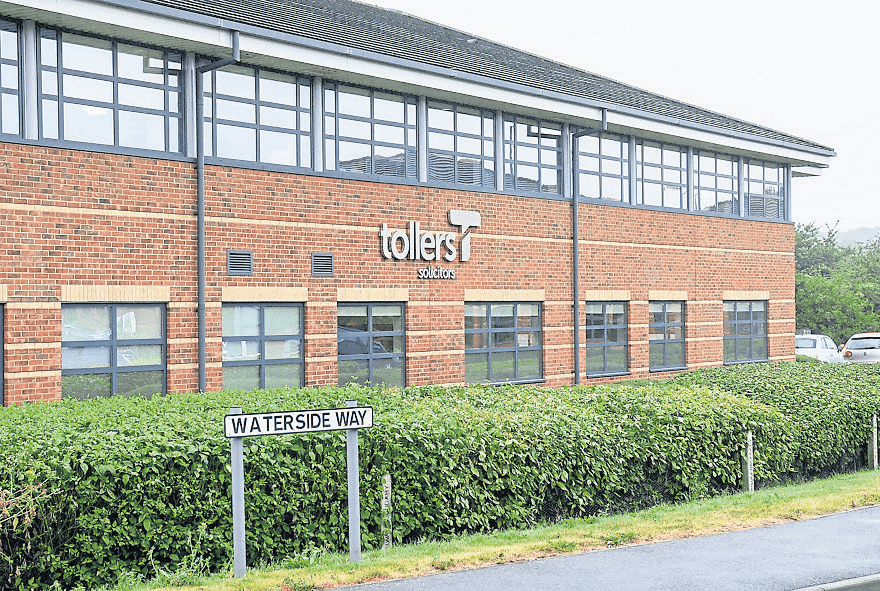
The property a business occupies plays a crucial role in its success. Whether offices, large warehousing or industrial units, retail or manufacturing, commercial properties provide the stable foundations for a business to develop and grow.
Where a business is not in a position to invest in its own property, leasing offers a flexible and cost-effective option. Identifying a location and finding premises to rent at the right price and on a suitable lease length is just the beginning of the process. Unlike renting residential property, commercial leases bring with them many more significant factors to consider – which is where expert advice becomes invaluable.
Tollers’ Commercial Property Team, headed up by Partner Simon Chambers, advises businesses and their owners, as well as commercial developers, investors, lenders and construction firms on a comprehensive range of property matters.
Simon believes that specialist advice is almost always a pre-requisite before entering into lease negotiations, and he particularly identifies repair obligations as one of the most common pitfalls.
He said: “Most people are familiar with residential tenancies, where there are significant protections for tenants with regard to the condition of the property during and at the end of their agreements. The burden of maintenance falls largely with the landlord in residential agreements. Obligations contained within commercial leases, however, can create significant financial exposure for tenants if they are not properly understood from the outset.
“Many business owners are surprised to discover that their lease can require them to return a property in better condition than it was when they first occupied it. Without appropriate legal advice, tenants can inadvertently assume liabilities that become extremely costly when the lease comes to an end.”
Understanding repair obligations
One of the most important aspects of any commercial lease is determining exactly who is responsible for maintaining and repairing the property.
Unlike residential tenancies, commercial leases frequently place extensive repairing obligations on tenants. In many cases, tenants are expected to keep the premises in ‘good and substantial repair’ throughout the term and return them in that condition when they vacate.
The challenge arises when a property is already showing signs of wear, deterioration or disrepair before the lease begins.
“A tenant may take occupation of a building believing they are simply maintaining it during their tenancy,” said Simon. “The normal repair obligation, however, may actually require them to remedy historic defects and return the property in a significantly improved condition. This can become particularly problematic where structural elements such as roofs, external walls, flooring systems, windows or mechanical and electrical installations are involved.”

Putting it on record
One of the most effective ways to protect tenants from excessive repair liabilities is through a Schedule of Condition, which records the state of the property at the commencement of the lease, typically through detailed photographs and written descriptions. When properly incorporated into the lease, it can limit the tenant’s repair obligations to maintaining the property in no worse condition than documented at the outset.
This can have a substantial impact on a tenant’s financial exposure. Without a Schedule of Condition, a tenant could face significant dilapidations claims at lease expiry. With one in place, repair obligations can often be restricted to maintaining rather than improving the property.
Dilapidations claims remain one of the most common areas of dispute at the end of commercial leases.
A dilapidations claim is a demand made by a landlord seeking compensation for breaches of lease obligations, most commonly relating to repair, decoration and reinstatement works. Businesses planning to relocate, downsize or cease trading are often surprised by the scale of claims that can emerge after they have vacated a property.
“The end of a lease should never be viewed as a simple handover of keys,” said Simon. “Businesses need to understand their obligations well before lease expiry to avoid unexpected liabilities. Early legal advice can help tenants assess potential exposure, negotiate settlements where appropriate and ensure they comply with any obligations relating to alterations, decorations or outstanding repairs.”
The Tollers Commercial Property Team regularly negotiates these provisions on behalf of tenants and advises landlords on balancing asset protection with commercially realistic lease terms.
Lease renewals and security of tenure
Repair obligations are equally important when leases are renewed. Commercial tenants benefit from security of tenure under the Landlord and Tenant Act 1954, giving them the right to request a new lease at the end of the contractual term. However, renewal negotiations often provide landlords with an opportunity to revisit repairing obligations and other key lease provisions.
Businesses renewing leases should carefully review whether existing obligations remain appropriate and whether any amendments can be negotiated to better reflect the property’s condition and future business requirements.
While rent understandably receives significant attention during lease negotiations, businesses should take a broader view of the overall cost of occupation.
Additional liabilities may include service charges, insurance contributions, business rates, utilities and VAT where the landlord has opted to tax the property. Repair obligations can often represent one of the largest potential financial risks, particularly for older buildings or long-term leases.
Understanding exactly what areas of a property are included within a tenant’s responsibilities is equally important. For example, leases may allocate responsibility for internal walls, ceilings, floors, windows, shopfronts or structural elements in different ways.
Careful review of lease plans, repair clauses and service charge provisions can help prevent costly misunderstandings later.
Tollers’ Commercial Property Team are supported by the firm’s Commercial Services division, enabling clients to access integrated expertise across corporate, commercial, restructuring, employment and dispute resolution matters when required.
This multi-disciplinary approach ensures businesses receive joined-up advice that reflects the wider commercial realities of property ownership and occupation.
Commercial leases are long-term legal commitments that can have significant operational and financial implications. Understanding repair obligations, dilapidations risks and lease-end responsibilities at the outset can help businesses avoid costly surprises and make informed decisions.
Simon added: “The strongest position is always achieved through early planning. Taking advice before signing a lease, and again before renewing or ending it, allows businesses to understand their responsibilities and protect their interests. In many cases, that advice can save substantial time, cost and disruption in the future.”
Businesses seeking guidance on commercial property matters can contact the Commercial Property Team at Tollers Solicitors on 01604 258558 or visit their website.