
There is a noticeable shift happening in the business community around women’s leadership. More organisations are recognising that leadership diversity is not simply a cultural conversation, but one closely linked to recruitment, retention, innovation and long-term business performance.
That shift is one of the reasons Hillier Hopkins has become a headline sponsor of the Women Leaders’ Awards 2026.
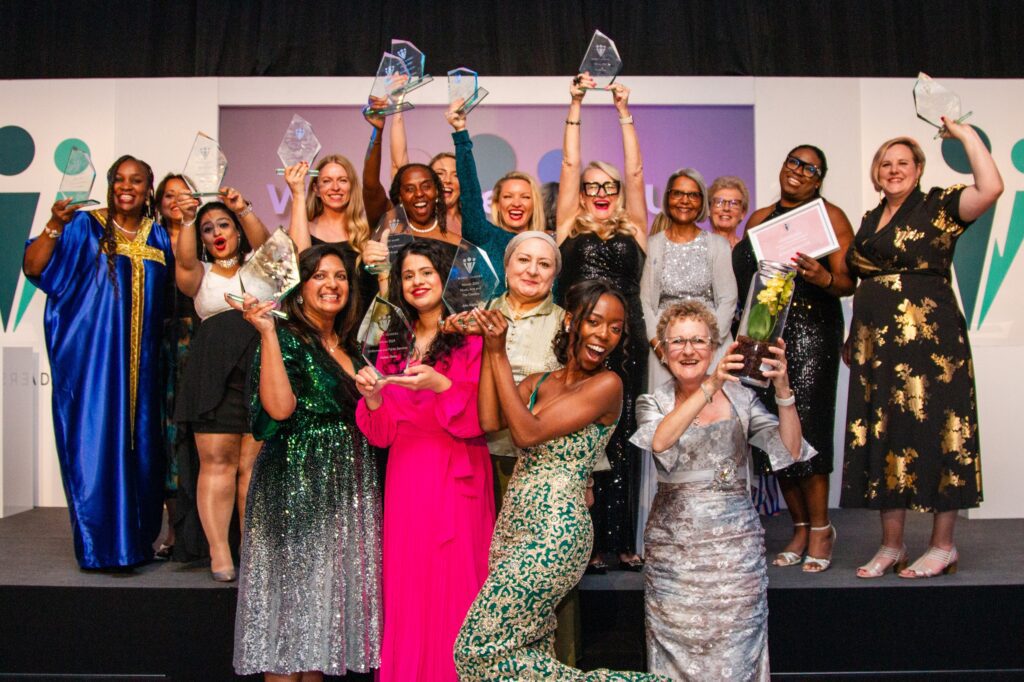
Now spanning Milton Keynes and the wider regions of Bedfordshire, Northamptonshire and Buckinghamshire, this year’s awards have already seen the highest number of entries in their decade-long history, reflecting growing momentum behind initiatives that recognise and support women across business, innovation, education, public service and the wider community.
With shortlisting now complete and the Women Leaders’ Awards ceremony taking place on Thursday July 16, attention is turning towards what the growth of Women Leaders says about the wider business landscape – and why more organisations are choosing to become actively involved.
For Hillier Hopkins, the decision was linked closely to its own recent transition to becoming a certified B Corporation, reinforcing a wider focus on accountability, people, community impact and inclusive business practice.
But importantly, the firm says the partnership is not simply about sponsorship visibility.
“There is increasing momentum across the business community to move beyond conversation and into action when it comes to diversity and inclusion,” said Hillier Hopkins’ Ruth Corkin. “We felt it was important to step forward as active participants who can help shape the narrative and contribute to tangible outcomes.”
That distinction matters. Across many sectors, businesses are increasingly recognising that conversations around leadership, progression and workplace culture are no longer separate from commercial performance. Recruitment, retention, engagement and succession planning are all being influenced by whether organisations are genuinely creating environments where people feel able to progress.


Hillier Hopkins says it has seen that impact internally through stronger engagement, improved retention and a more diverse leadership pipeline, including four female staff members being promoted to Principal within the last year.
The firm believes one of the biggest mistakes organisations still make is treating inclusion as a standalone initiative rather than embedding it into leadership, development and decision-making.
“There is often a gap between intention and action,” said Ruth. “Many organisations have the right policies in place, but they fail to translate those policies into meaningful change.”
That practical focus is one reason Women Leaders resonated so strongly with the business.
“What immediately stood out was that Women Leaders is about more than recognition,” added Ruth. “It’s creating an environment where women are supported to grow, connect and lead with confidence.”
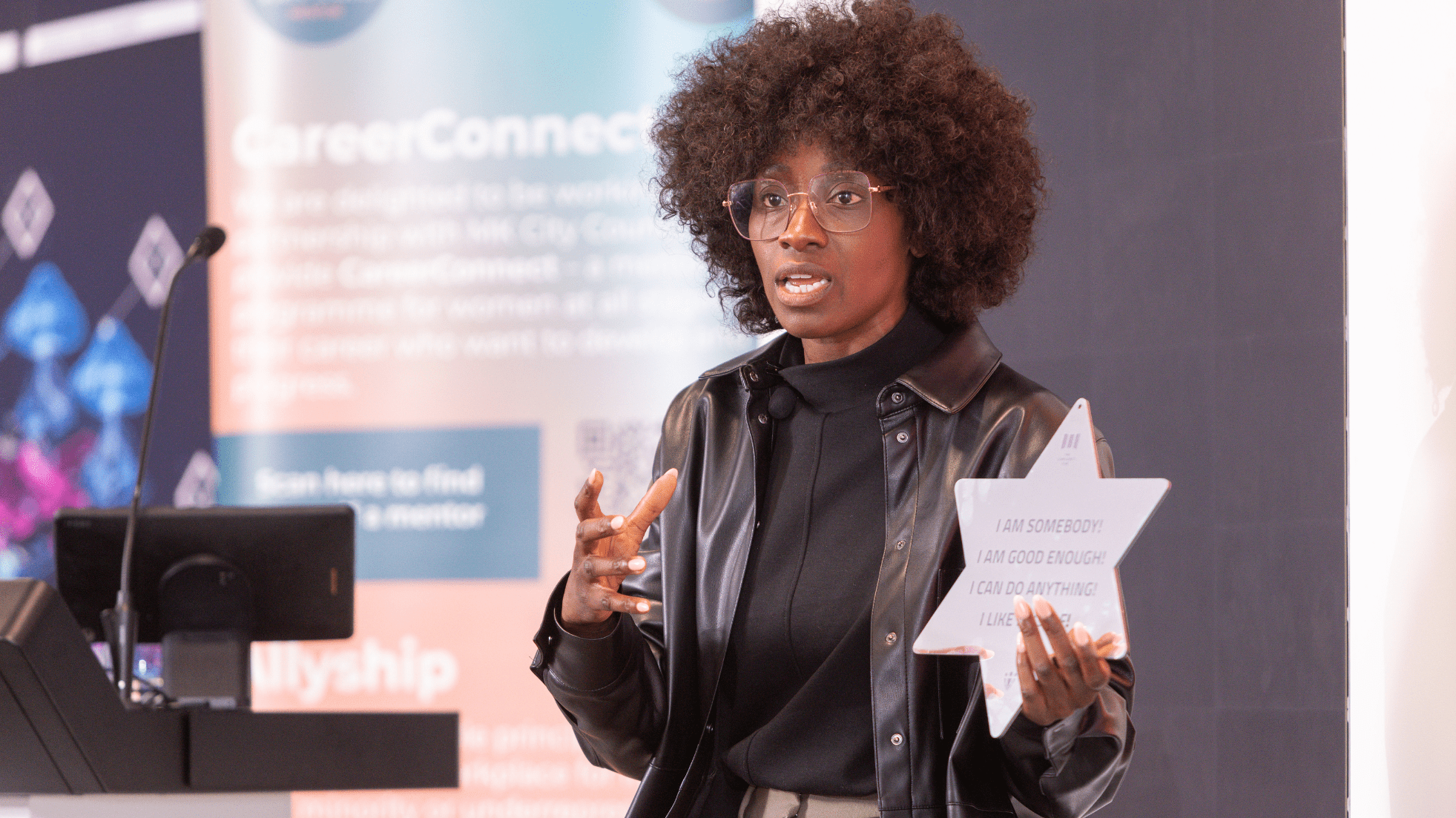
That broader approach is becoming increasingly visible as the Women Leaders’ Awards evolve. This year, there will be a greater emphasis on what happens after recognition. New initiatives include the introduction of a Confidence Star for every finalist, designed by confidence coach Ife Thomas to promote self-belief and personal development, reflecting a wider move towards supporting confidence and progression beyond the awards night itself.
For Women Leaders Chair Dr Julie Mills OBE DL, that evolution reflects how the initiative is responding to the needs of the regional business community. She said: “We’ve seen enormous growth this year, both in terms of entries and engagement across the three counties. What’s encouraging is that businesses increasingly want to be part of something that has genuine long-term impact – not just a single event, but a wider conversation around leadership, confidence and opportunity.”
That business appetite is also reflected in the growth of initiatives such as Hillier Hopkins’ own She Means Business network, which began as a relatively small lunch-and-learn event and has since developed into a well-established platform supporting women through networking, development and peer support.
The continued success of programmes like these suggests something wider is changing.
Businesses are becoming more aware that leadership visibility matters. Representation matters. Confidence matters. And increasingly, organisations understand that supporting women in leadership is not simply about equity or reputation, it is also about building stronger, more resilient and more successful businesses.
As the countdown continues towards the Women Leaders’ Awards in July, this year’s record number of entries suggests that conversation is only getting louder.
Visit the Womens Leaders’ Awards website for more information.