

Neurodivergent describes brains that process information, attention and emotion differently from what’s considered typical. It covers conditions like ADHD, autism, dyslexia, dyspraxia and dyscalculia, among others. These aren’t deficits to be fixed – they’re natural variations in how people think, focus and experience the world, alongside genuine differences in what feels easy or difficult day to day.
Someone neurodivergent might struggle with certain environments or expectations while excelling in others: sustained hyperfocus, pattern recognition and creative problem-solving are common strengths. The term sits alongside neurotypical, describing more conventional cognitive patterns. Neither is better, just different, and workplaces designed around one often overlook the other.
Around one in five of your workforce is likely neurodivergent. Most haven’t told you, so you’re probably unaware. They are likely worried about the response they may get.
Why this matters for business, not just HR
This isn’t only a compliance issue, though it is one. Under the Equality Act 2010, many neurodivergent conditions qualify as disabilities, and employers have a legal duty to make reasonable adjustments.
The business case stands on its own, too. Poor support drives burn-out and absence: over half of neurodivergent employees have taken time off directly because of their condition, often due to a lack of adjustment rather than the condition itself. Skilled staff are hard to find and expensive to replace, and organisations that get this right gain a real advantage in accessing talent competitors overlook. I say this from personal experience as an employer – their talents can make a huge impact on your business.
Neurodivergent talents you might be missing out on
- Hyperfocus – sustained, deep concentration that often produces high-quality work faster than expected
- Pattern recognition – spotting trends or anomalies others miss, valuable in data, QA and analysis roles
- Creative problem-solving – unconventional angles rather than ‘how it’s always been done’
- Attention to detail – catching inconsistencies overlooked in fast-paced review
- Strong long-term memory – particularly for facts, systems or subjects of genuine interest
- High integrity and directness – a strong sense of fairness and honesty, especially common in autistic employees
- Resilience and adaptability – years of building coping strategies for a world not designed around them
- Innovative, non-linear thinking – connecting ideas across domains in original ways
- Deep subject-matter expertise – intense special interests that become genuine professional strengths


What adjustments look like
Reasonable adjustments are rarely expensive or complicated. They usually fall into a few practical categories, and many employers worry about this part more than they need to.
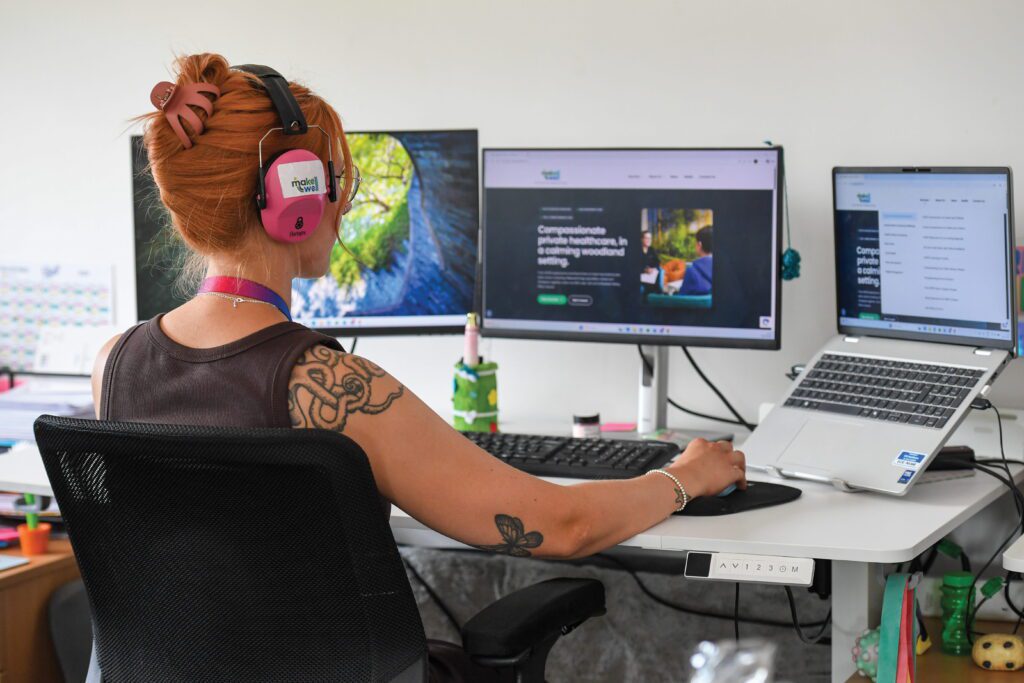
- Environment: sensory overload is one of the most common, least discussed barriers to performance. Adjustable lighting, a quiet space away from open-plan noise, permission to wear noise-cancelling headphones or working from home on demanding days can be the difference between a productive week and a burnt-out one. None of this requires an office redesign – it’s often just a policy decision.
- Communication: verbal instructions are easy to give and easy to lose. Following up spoken instructions in writing, setting clear agendas ahead of meetings, and avoiding vague language (‘let’s touch base soon’ versus ‘let’s speak Thursday at 2pm’) removes unnecessary cognitive load for neurodivergent and neurotypical staff alike.
- Time and structure: flexible start times acknowledge that focus and energy don’t all follow a 9am template. Breaking large projects into smaller, clearly defined tasks prevents the paralysis that can come with an open-ended brief. Where deadlines can flex without harming the business, that flexibility costs little and buys a great deal of goodwill.
- Process: assistive technology (speech-to-text, task management apps, screen readers) is often inexpensive and sometimes free. Offering alternatives to live meetings, such as written updates, and reducing demands to multitask in real time plays to how many neurodivergent brains perform best: with depth, not constant switching.
The manager’s role
What helps one neurodivergent employee may do nothing for another or even work against them – one person’s quiet room is another’s isolation. The most useful thing a manager can do is ask, directly and without assumption, what would help. That conversation matters more than any policy document.
You don’t need a full organisational review to begin. Start with the cheapest, easiest changes (flexible communication, a headphones policy, quiet space access) and build from there. For more complex situations, occupational health referrals and specialist workplace assessments can provide tailored recommendations and are worth the investment where informal adjustments aren’t enough.
Access to Work
Your employees may mention Access to Work, a government grant funding practical support for staff whose ADHD, autism, dyslexia or similar condition makes parts of their job harder. It can cover coaching, assistive technology or support workers, alongside your legal duty to make reasonable adjustments, not instead of it. Small businesses (under 50 staff) usually get this free; larger ones may contribute towards equipment. You just confirm the employee works for you. Processing can take months, so don’t wait on it before making informal adjustments yourself.
The bigger picture
Adjustments made for neurodivergent staff tend to benefit everyone. Clearer communication, more flexible structures and quieter working environments improve performance across the board, not just for the people they were designed for. Supporting neurodivergent employees well isn’t a niche HR initiative, it’s simply better management, for a workforce that is more diverse than most organisations currently realise.
Find out more about the services on offer on the Makewell website.
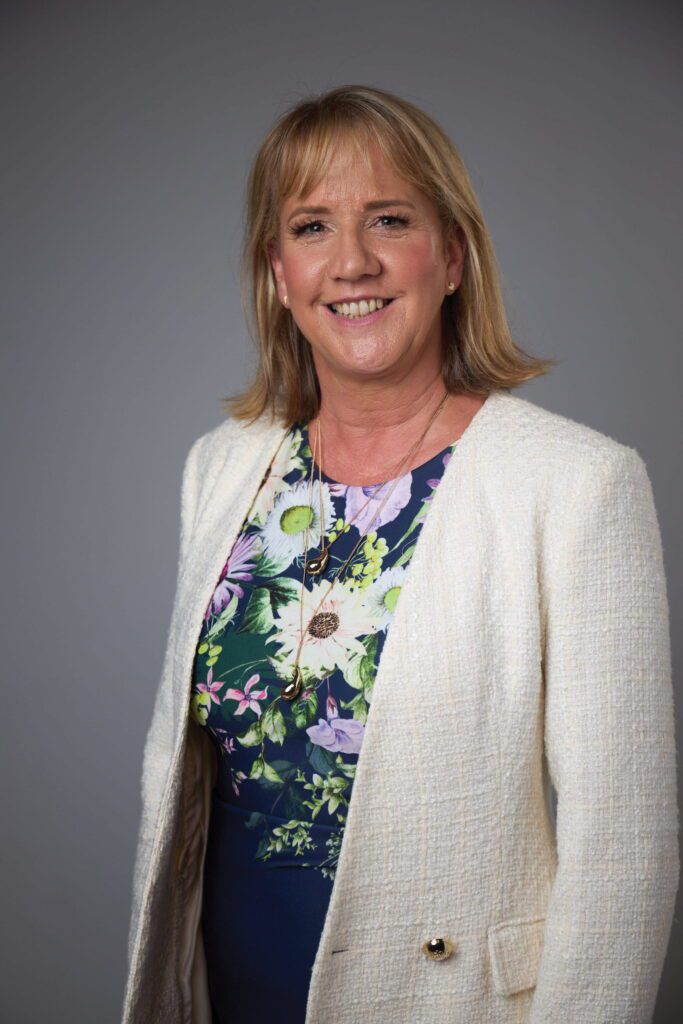
CEO
Makewell