
For most manufacturers, recruitment has sat firmly on the operational sidelines. A vacancy appears, a recruiter is called, a shortlist arrives, and the cycle repeats itself the next time someone leaves. It has been treated as something you deal with when it comes up, not something you plan around.
That approach is getting harder to justify. Skills shortages, fluctuating demand and rising operational costs mean the businesses that treat recruitment as an afterthought are the ones most exposed when things change quickly. Increasingly, manufacturers are recognising that recruitment can support productivity and workforce stability directly, rather than sitting outside it. It’s one of the reasons our on-site recruitment partnerships are gaining ground across the sector.
Ask most operations managers what keeps recruitment on the back foot and the answer is rarely the hiring process itself. It’s shift gaps that appear with no notice. Sickness cover that must be sorted before the next shift starts. A seasonal spike that everyone knew was coming but nobody resourced for in time.
Each of those, on its own, is manageable. Stacked together, they start to show up in the numbers: missed output, rising overtime costs, and a smaller pool of reliable people carrying the weight of the gaps. Workforce planning tends to get pushed down the priority list until a role becomes urgent, at which point the business is no longer planning, it’s firefighting.
Why an on-site partnership?
One of the biggest advantages of an on-site recruitment partnership is visibility.
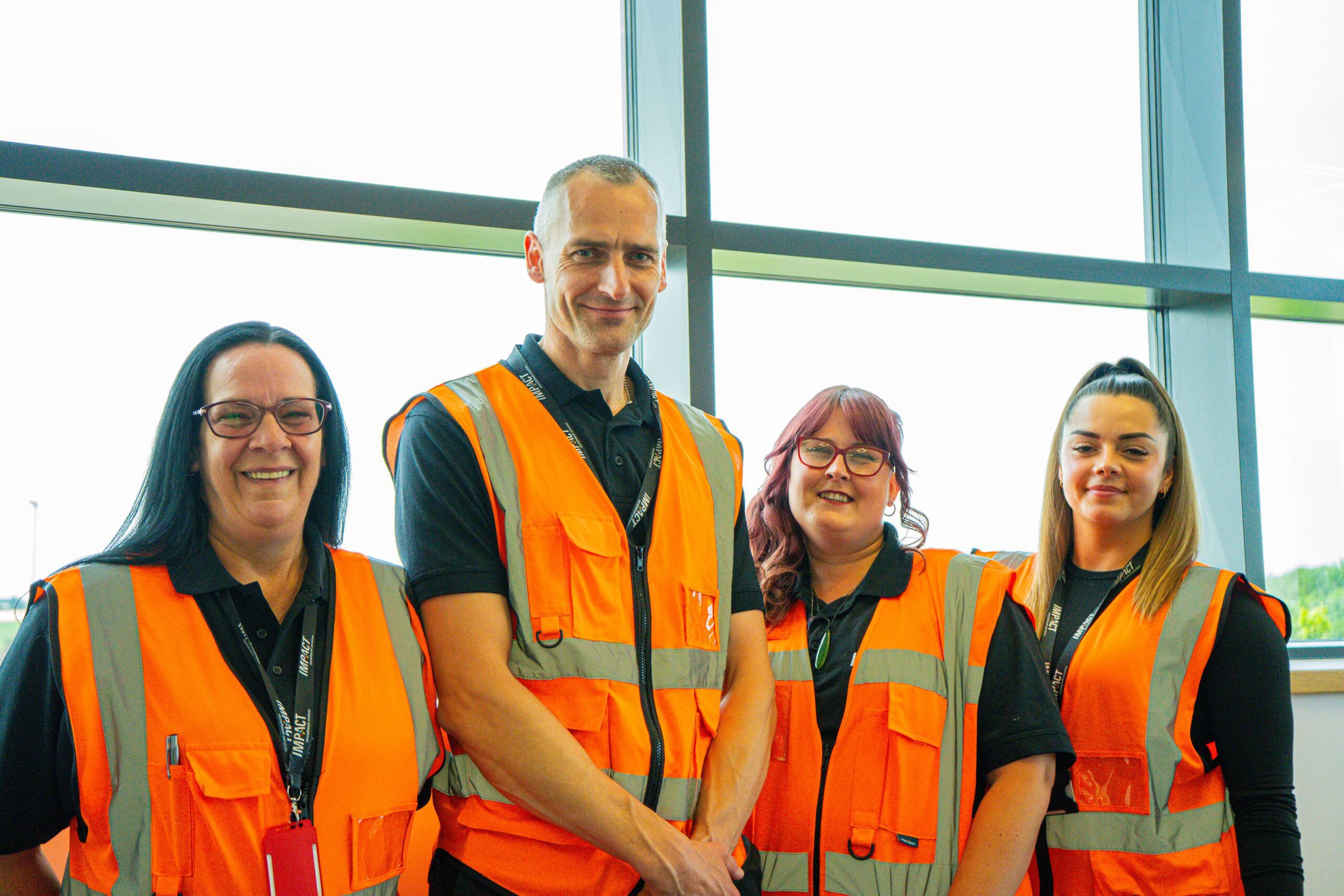
When our teams are embedded within a manufacturing environment, they gain a genuine understanding of how your business operates. They see the impact of absence, understand production schedules, speak regularly with managers and employees, and identify workforce trends before they become major issues.
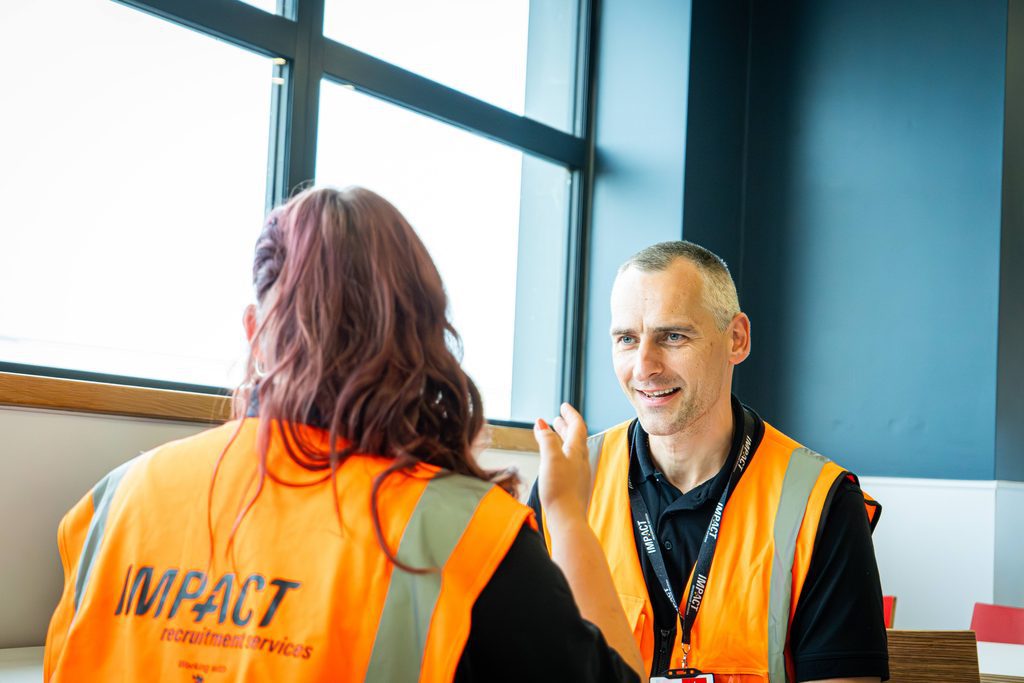

That means conversations move beyond, ‘Can you fill this vacancy?’ to ‘How can we ensure we’ve got the right workforce in place over the next six months?’
Recruitment becomes part of operational planning rather than a standalone function.
With an effective workforce plan we can build talent pipelines, maintain relationships with previous workers and forecast future demand; ready to recruit before your vacancies become critical. This preparation reduces your hiring times and will minimise disruption to production.
Planning ahead instead of reacting
Manufacturers are no strangers to change. Most already know what their production forecasts look like for the coming months. Yet one area is often overlooked until it becomes a problem: workforce planning. The biggest lesson we’ve learnt is that recruitment delivers the greatest value when it’s treated as a partnership. The best outcomes come from working closely with our clients to understand their goals, production cycles and future workforce requirements.
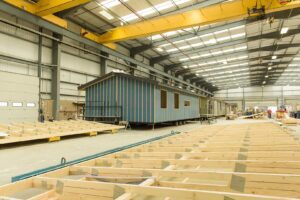
Through our long-standing partnerships with various manufacturing businesses across Northamptonshire, we work closely with the operations team to move away from reactive recruitment and towards an on-site recruitment approach.
By embedding our recruiters and introducing regular touchpoints, forecasting seasonal demand and building a pipeline of pre-screened candidates, our team now supports staffing needs before they became business critical. Being embedded within the operation also means we can respond quickly to changing production requirements and provide ongoing support to both managers and employees.
What happens after someone starts
Our recruitment process doesn’t end when a candidate accepts an offer. Attendance, engagement and retention all affect productivity directly, and in manufacturing environments a staffing shortage can hit production targets within days.
Because on-site recruiters are present in the business every day, they tend to see patterns earlier than a traditional model allows: a run of late starts, a supervisor mentioning the same name twice in a week, engagement dipping on a particular shift. Regular contact with workers and close relationships with supervisors mean concerns can be picked up before they turn into a leaver. That ongoing support is also what keeps people in a role longer, reducing how often the business has to recruit for the same position.
Candidate expectations have shifted. People expect regular communication, prompt feedback and a smooth start, and a slow process is often enough to lose a good candidate to somebody else.
At Impact, we stay close to that journey from first application through to induction and many weeks on the job. Questions get answered quickly, issues get resolved without a candidate having to chase, and new starters get more support settling in, which matters for how long they stay.
Recruitment as part of how your operation runs
The bigger shift here isn’t really about speed or communication, useful as both are. It’s a change in how manufacturers view recruitment itself: less a supplier to call when a vacancy opens, more a function that sits alongside workforce planning, attendance and retention as part of how the operation runs.
That shift in thinking is one we’ve seen play out repeatedly across on-site partnerships with manufacturing clients. The businesses getting the most value from it aren’t the ones with the biggest recruitment budget, they’re the ones who stopped treating recruitment as something separate from operations and started treating it as part of the same conversation.
At Impact Recruitment, our partnerships with nationally recognised manufacturers have shown us that when we’re integrated into a wider workforce strategy, it becomes a powerful tool for supporting their long-term business success.
For more information about how to build an honest, quality recruitment partnership contact Impact Recruitment via their website.

Managing Director
Impact Recruitment