

‘ESOS do we need to worry about this?’ ‘What the hell is ESOS?’ ‘Energy, energy don’t talk to me about energy, we used loads!’ ‘We need another business report like a hole in the head!’
Just a few of the comments we encountered when the Energy Saving Opportunity Scheme (ESOS) first landed back in 2015, three Phases ago.
Unfortunately, the requirements for ESOS can’t really be ignored if you fall into the main criteria for these mandatory reports. Originally governed by the Environment Agency, this reporting was primarily targeted towards the biggest energy using sectors. This was mainly manufacturing and industrial businesses, but, as we discovered through Phases 1 and 2 it started to impact upon any large business.
ESOS was introduced to align with the UK’s broader net zero and sustainability goals. ESOS ensures that organisations take responsibility for their energy consumption and overall efficiency.
Who needs to comply with ESOS?
- Businesses that meet any of the following criteria must comply with ESOS:
- Employ 250 or more people
- Have an annual turnover exceeding £44m and a yearly balance sheet exceeding £38m
- Are part of a corporate group where at least one UK entity meets the above criteria
- Public sector organisations are exempt from ESOS but are encouraged to follow similar energy efficiency initiatives.
ESOS assessments and reporting must be completed every four years with quite explicit submission dates and energy used periods or face steep fines. One of the most significant updates in the recent government announcement is the delay of mandatory net zero requirements.
Originally, the government planned to introduce these requirements in Phase 4 (2023-2027). Due to delays in Phase 3 legislation and the need for more time to implement such a significant change, however, the government has postponed these requirements until Phase 5 (2027-2031).
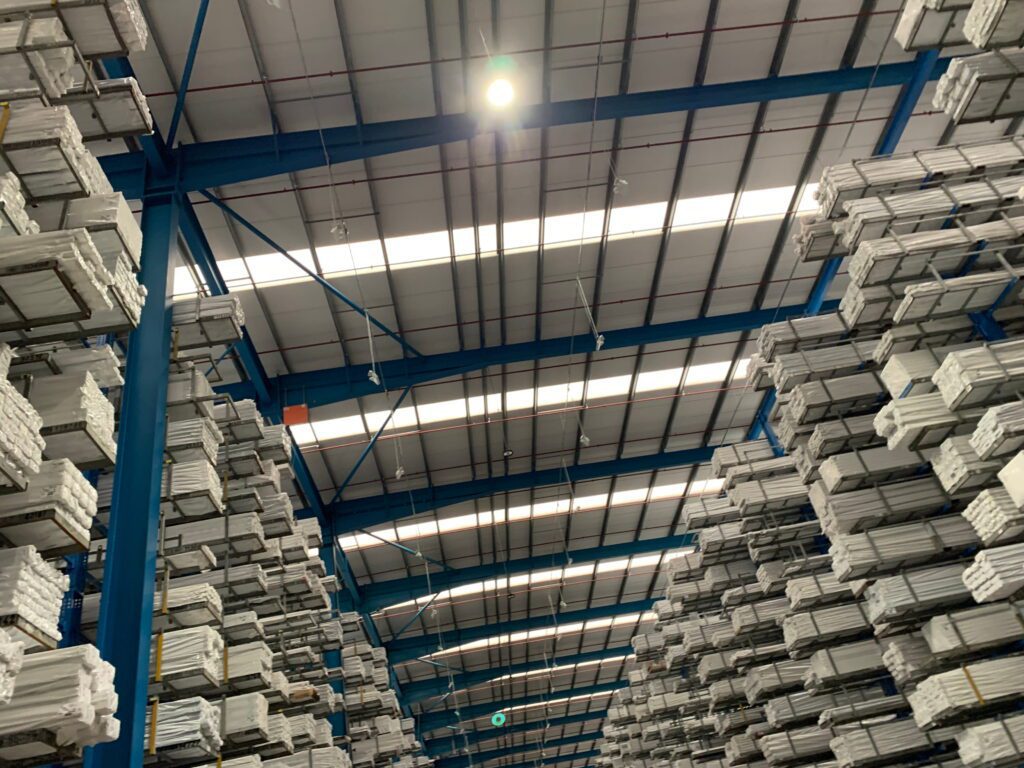
Phase 4 mandates that qualifying UK businesses, particularly manufacturing and engineering firms, audit 95% of their total energy footprint by December 5, 2027, with a focus on industrial processes, buildings and transport. This cycle introduces mandatory, board-approved Action Plans and annual progress reporting, requiring businesses to start collecting 12 months of verifiable data immediately to ensure compliance. This is very similar to Streamlined Energy and Carbon Reporting (SECR), which is conducted annually.

ESOS isn’t just a compliance exercise or a stick, it’s a powerful tool for driving energy efficiency and sustainability. With recent global events affecting fuel prices, it is no surprise that most FDs are now laser-focused on all avenues of expenditure, with business energy use now shifting high up on the priority hit list.
By identifying areas where energy use can be reduced, businesses can save money, improve operational efficiency, and contribute to the UK’s climate goals. With the government’s renewed focus on achieving net-zero emissions by 2050, ESOS has become even more critical for businesses aligning with national and global sustainability targets and set ESG targets.
The notification of compliance deadline for Phase 4 remains December 5, 2027. To avoid penalties, businesses must submit their ESOS assessments and action plans by this date. Typically, an ESOS audit can take from three months to 12 months depending upon the size of the business, number of buildings and assets involved. Planning ahead of this deadline is crucial and sensible. The energy use audit will be on the energy consumed over 12 months straddling December 31, 2026.
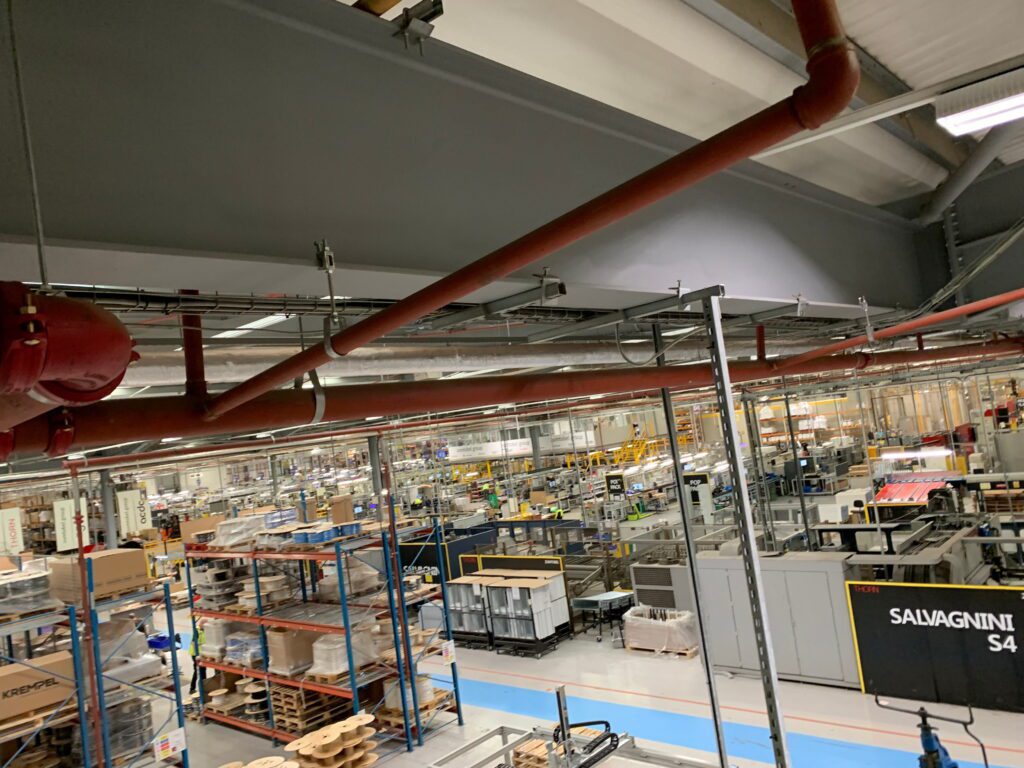
Significant changes with Phase 4 ESOS
Display Energy Certificates (DECs) and Green Deal Assessments (GDAs) will no longer be accepted as compliance routes for ESOS. This change simplifies the compliance process and ensures that all businesses follow the same reporting standards.
Companies must include progress against their action plan commitments in their ESOS assessments. This requirement encourages businesses to take their energy efficiency goals seriously and provides transparency about their efforts.
If a company hasn’t met its action plan commitments, it must explain why. This accountability measure ensures businesses are actively working toward their energy efficiency targets.
ESOS compliance will need to be conducted by a LEAD ESOS assessor, and this must be followed in accordance with and set out as per PAS 51215-1:2025 – Energy and Decarbonisation Assessment.
Phase 5 (2027-2031) will introduce mandatory net zero reporting, expanded qualification thresholds, and stricter compliance requirements. Businesses that voluntarily adopt net zero considerations in Phase 4 will be better prepared.
ESOS Phase 4 updates show the government’s focus on balancing compliance with practicality by delaying mandatory net zero till Phase 5, giving businesses more prep time. Voluntary reporting options and new PAS standards allow companies to lead in sustainability.
As the UK moves toward net zero, ESOS helps reduce emissions and promote a greener future. Act now for energy efficiency and sustainability.
By Adam Alexander, MSc CEng MCIBSE ESS Lead ESOS Assessor at MEP Consulting
Contact MEP Concepts on 0333 052 2800, email enquiries@mepconcepts.co.uk or visit their website.