

AI is transforming industries worldwide, off ering tools that can improve effi ciency by automating manufacturing processes, optimising structural designs and tracking supply chains. Engineering firms are using AI to refine the design process, test design alternatives, run simulations and predict equipment failures.
The data centres and external colocation facilities that house the computing infrastructure needed for large-scale data storage are highly energy-intensive, increasing the pressure on an already overloaded electricity grid. The switch to electric vehicles and heat pumps is changing peak demand patterns and creating power demands that local networks were not designed to handle.
At the same time, meeting Britain’s 95% clean power target by 2030 (although current forecasts predict only 83% clean power by 2030, with the 95% target unlikely to be achieved until 2035) will require far more electricity generation and network infrastructure to be built at a much faster pace than has been achieved in recent years.
A recent report reveals an awareness gap between business expectations of a grid connection (within two to three years) and the reality of connection (closer to eight years). Britain is not alone in facing grid connection delays: the problem is global. Closer to home, 80% of UK data centres are based in the Greater London area with overspill into the Northamptonshire, Milton Keynes and Bedfordshire corridor.
Grid connection queue reforms
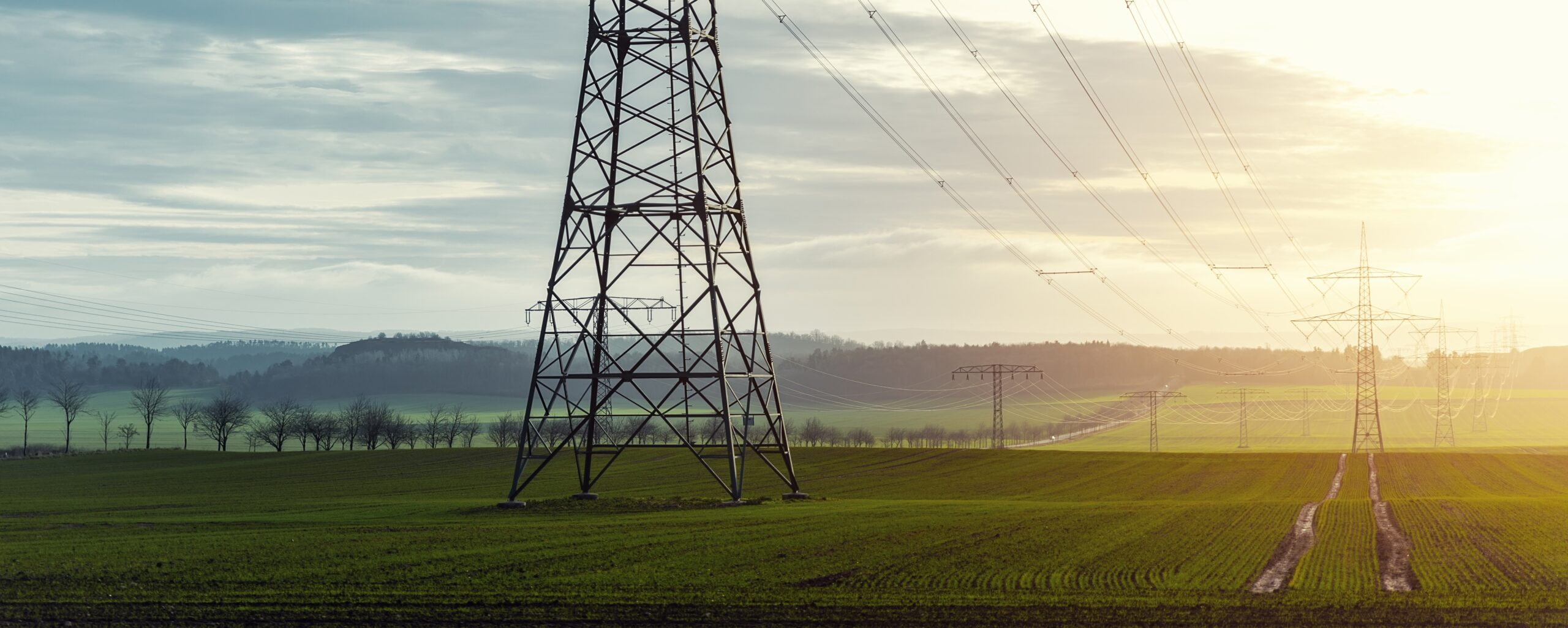
Britain’s electricity grid comprises a network of wires connecting electricity generators and consumers in England, Wales and Scotland. Transmission networks transport energy over long distances using high voltage lines, often attached to pylons, whilst distribution networks transport energy regionally over smaller distances, using electricity substations and sets of wires supported by wooden poles. The network operators are responsible for the infrastructure of their networks.
Last year, National Energy System Operator (NESO) – a government corporation responsible for balancing electricity supply and demand in real time and planning the UK’s energy networks – worked alongside Ofgem to overhaul the grid connection process, moving away from the outdated ‘first come, first served’ model to a ‘first ready, first connected’ approach. This is designed to remove speculative applications from the connections queue and fast-track viable ones that meet specified readiness and strategic alignment criteria.
A new Gate 2 to Whole Queue Process prioritises projects that are ready to connect to the grid. Unviable projects are granted Gate 1 status and cannot progress until they meet the Gate 2 criteria.
Other reforms
The government recognises the need to resolve other long-standing issues, such as delays in securing planning and regulatory approvals for new electricity network infrastructure. It recently issued a response to a consultation on electricity network infrastructure, outlining proposals to overcome these obstacles.
- Many distribution network upgrades have no real visual impact and yet simply adding a third conductor to an existing overhead line or replacing existing assets often requires planning permission. Substations in England that are housed in a chamber of up to 29 cubic metres currently fall within the threshold for permitted development. The government will increase the threshold to 45 cubic metres in England for all areas other than SSSIs and European Sites, provided that the substation does not exceed three metres in height and is not located within five metres of a dwelling.
- Nationally Significant Infrastructure Projects (NSIP) thresholds will be amended to remove 132 kV wooden pole lines from its scope and increase the distance threshold for overhead lines from two to 15 kilometres, allowing smaller projects to be dealt with under the section 37 consent regime, a faster and less costly process.
- Section 37 of the Electricity Act 1989 requires operators to obtain ministerial consent before installing or upgrading overhead lines with voltage over 20kW. Consent will no longer be required for lower impact overhead line work and minor works will also be exempt in all areas except SSSIs and European Sites. Removing the automatic requirement for the Secretary of State to hold a public inquiry whenever a planning authority objects to a section 37 application will also cut delays.

Land access rights
Network companies often need to access private land to construct new infrastructure or expand existing assets. Where operators are unable to reach an agreement with landowners, they can apply for the grant of Necessary (compulsory) Wayleaves (NWs) under the Electricity Act. However, the standard 15-year term means that multiple wayleave agreements are often needed to cover the lifespan of an asset, typically 40 to 80 years.
Government proposals include increasing the standard term for NWs from 15 to 40 years and restricting successor landowners from serving a Notice to Remove during the term of a NW. Access powers that currently apply to district network operators will be extended to include transmission owners.
Protections for landowners will include statutory compensation covering losses relating to the movement of stock and loss of agricultural subsidies. In addition, primary responsibility for tree lopping and vegetation management will move from landowners to operators, subject to compensating landowners for any damage incurred by the works.
Operators will have statutory access rights to enter private land for this purpose subject to a 21-day notice period, save in emergencies. The government has made accelerating electricity network delivery a national infrastructure priority. These reforms will support a more streamlined consent and land access regime and cut planning delays. Other problems remain.
Major network upgrades require transformers, switchgear and specialist cabling, long-lead items that are subject to global supply chain bottlenecks causing significant delays, along with a shortage of qualifi ed engineers and installation crews to deliver upgrades at the pace required.
Delivering electricity grid infrastructure is a complicated task with many moving parts and it would only take a delay in one area to risk failure of the government’s target to achieve its clean power target.
For more information, visit their website.