
The UK manufacturing and engineering sectors are entering one of the most significant periods of workforce transformation in decades. While technological innovation continues to accelerate through automation, artificial intelligence, advanced manufacturing and digital engineering, the challenge facing business leaders is increasingly less about technology itself and more about the people needed to make it work.
An ageing workforce, persistent skills shortages and changing career expectations are creating a perfect storm. At the same time, the routes into engineering careers have evolved considerably, requiring organisations to rethink how they attract, develop and retain talent.
Technical competence remains essential, but the skills employers require today are broader than ever before. Modern engineers and manufacturing professionals are expected to combine traditional engineering expertise with digital literacy, data analysis, systems thinking and strong communication skills.
As factories become smarter and production environments increasingly connected, organisations need employees who are comfortable working alongside automation rather than competing with it. The demand for adaptability, combined with continuous learning and problem-solving has become just as important as qualifications.
For leaders, this means shifting from hiring purely for current capability to recruiting for future potential.
Rethinking entry-level talent
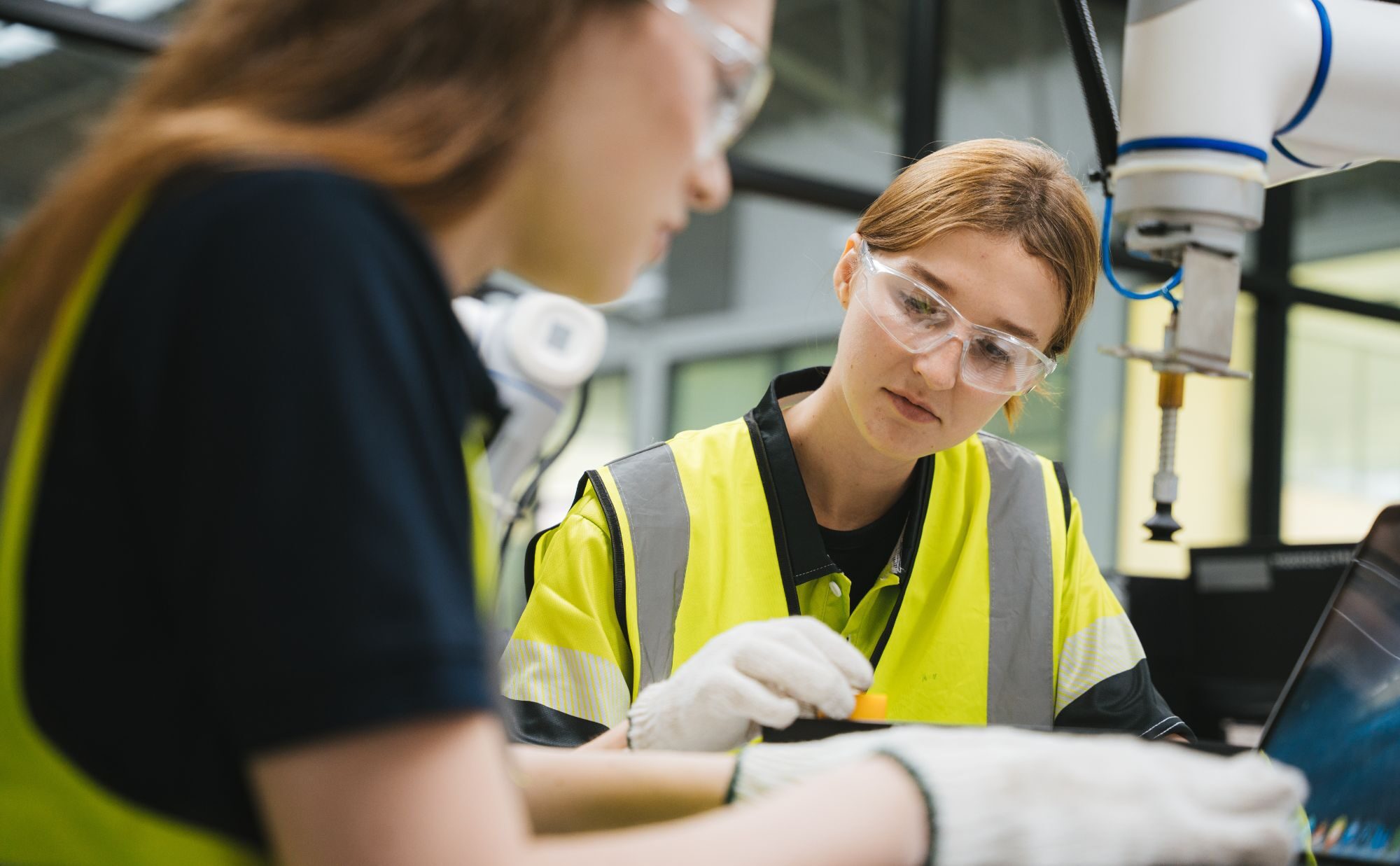
The traditional graduate recruitment model no longer provides enough talent to meet demand. Apprenticeships, T Levels, degree apprenticeships and employer-led training programmes are now critical parts of the talent pipeline.
Young people also have more career choices than ever before. Technology companies, renewable energy, gaming, aerospace and digital businesses compete for the same technically minded individuals. Manufacturing can no longer rely on its historical reputation to attract the next generation.
Instead, employers must clearly demonstrate opportunities for career progression, as well as innovation, sustainability and purpose. Today’s candidates want to understand not only what the job involves, but also how it contributes to solving real-world challenges.
The relationship between education and industry is becoming increasingly collaborative and colleges, universities and training providers are working more closely with employers to ensure curricula reflect changing industry needs.
However, employers cannot afford to be passive observers. The most successful organisations actively influence local education providers and should be offering work experience, supporting STEM initiatives and engaging with schools long before students begin considering career options.
Developing future talent is becoming a long-term investment rather than a short-term recruitment exercise.


Recruitment marketing as a competitive advantage
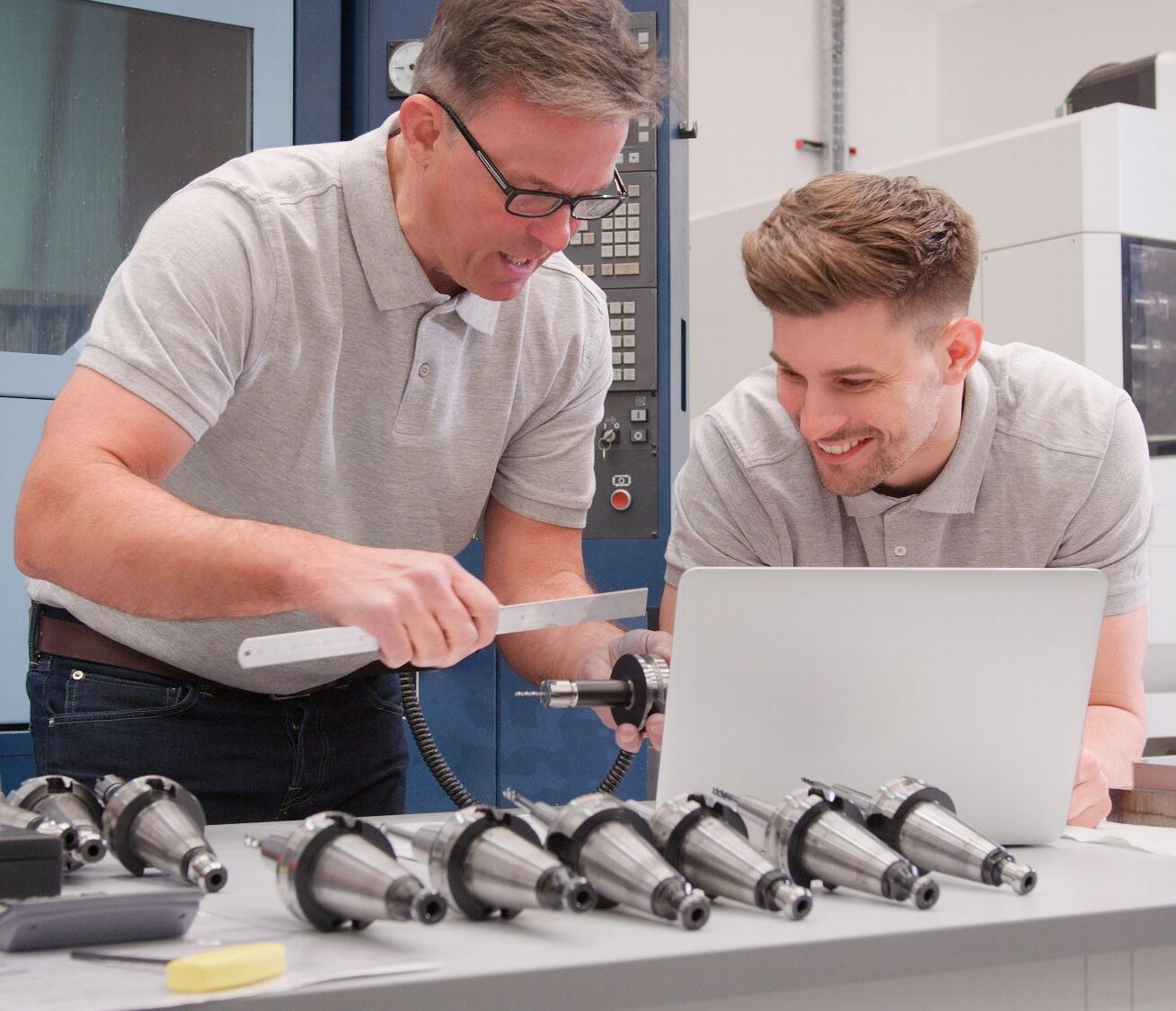
Posting vacancies alone is no longer enough. Today’s candidates research employers in much the same way consumers research products. They will explore company culture, employee stories, development opportunities, wellbeing initiatives and social impact before deciding whether to apply.
This means recruitment has become a marketing discipline.Organisations that invest in authentic employer branding, engaging digital content and consistent communication are significantly better positioned to attract scarce talent. Employee advocacy, video content, social media presence and showcasing apprentices’ success stories all play an important role in building credibility.
The question has shifted from ‘How do we fill vacancies?’ to ‘Why would someone choose to build their career with us?’
Artificial intelligence is already reshaping recruitment, workforce planning and skills development and the likes of predictive hiring, digital onboarding, personalised learning platforms and AI-assisted workforce analytics are becoming mainstream.
Digital transformation will continue to change job roles rather than simply replace them. Leaders who embrace technology while investing equally in human capability will gain a significant competitive advantage.
The organisations that thrive over the next decade will be those that build learning cultures. They need to encourage innovation and provide employees with opportunities to continually develop
new skills.
Successful manufacturing and engineering leaders should be asking themselves:
- Is our workforce strategy aligned with our future technology roadmap?
- Are we recruiting for potential as well as current technical capability?
- Do we actively engage with education throughout the year?
- Is our apprenticeship and careers programme fit for the future?
- Does our employer brand genuinely reflect our culture and values?
- Are we using digital recruitment channels effectively?
- Do we invest in continuous learning and upskilling for existing employees?
- Are managers equipped to lead multi-generational teams?
- Are we leveraging AI and digital tools to improve recruitment and workforce planning?
- Do employees clearly understand their long-term career opportunities within our organisation?
The future of UK manufacturing and engineering will be determined as much by people as by technology. Changing educational pathways and increasing competition for talent, as well as skills shortages, require leaders to think differently about workforce planning.
Success will come from building strong partnerships with education and embracing modern recruitment marketing. It will require investment in continuous learning and creating workplaces where people can develop meaningful, future-focused careers.
Technology will undoubtedly continue to transform the sector, but organisations that place equal emphasis on developing human potential alongside digital capability will be best positioned to compete and grow in the years ahead.
In an increasingly competitive labour market, attracting talent is no longer solely the responsibility of HR, it has become a strategic priority for every leader.
For more information, contact Jason Sinclair at Thebes Group on 01908 303670 or visit the Thebes Group website.

Management Consultant
– People
and Capability
Thebes Group