
Over the past nine months, Wyke Business Protection has seen first-hand how the conversation around business risk is starting to change.
The team has worked with a wide range of organisations across Northamptonshire, helping business owners put clear, practical protection strategies in place to safeguard their companies. Alongside this, strong relationships have been built with accountants and solicitors across the county, creating a more joined-up approach that allows clients to receive aligned legal, financial and protection advice.
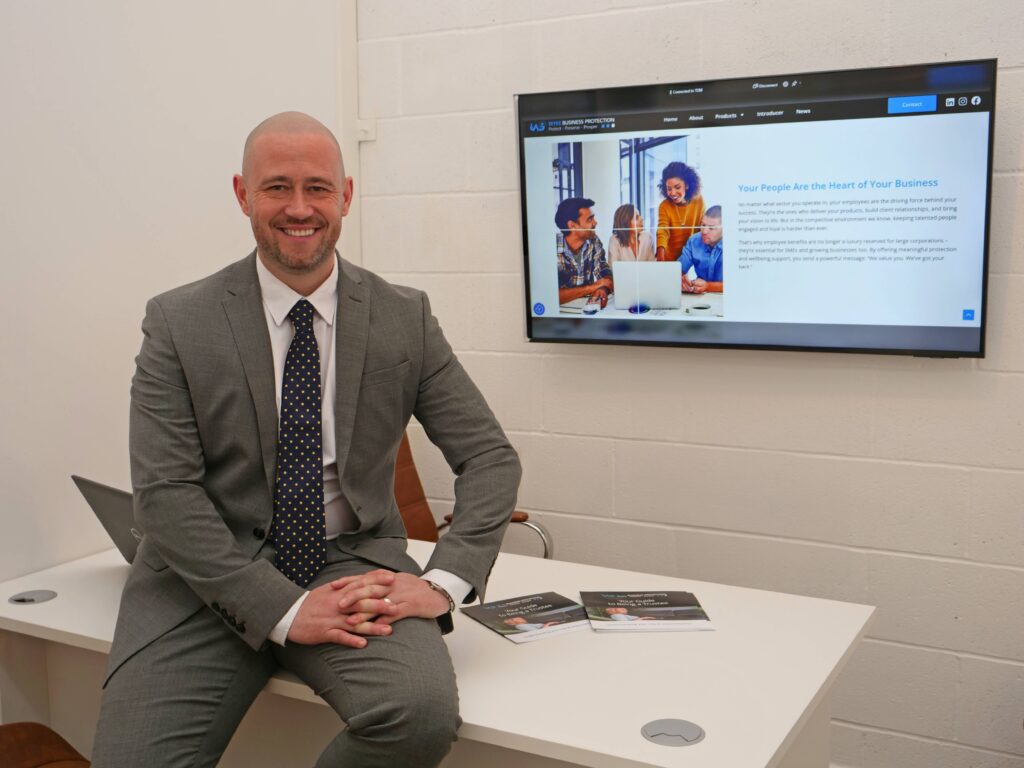
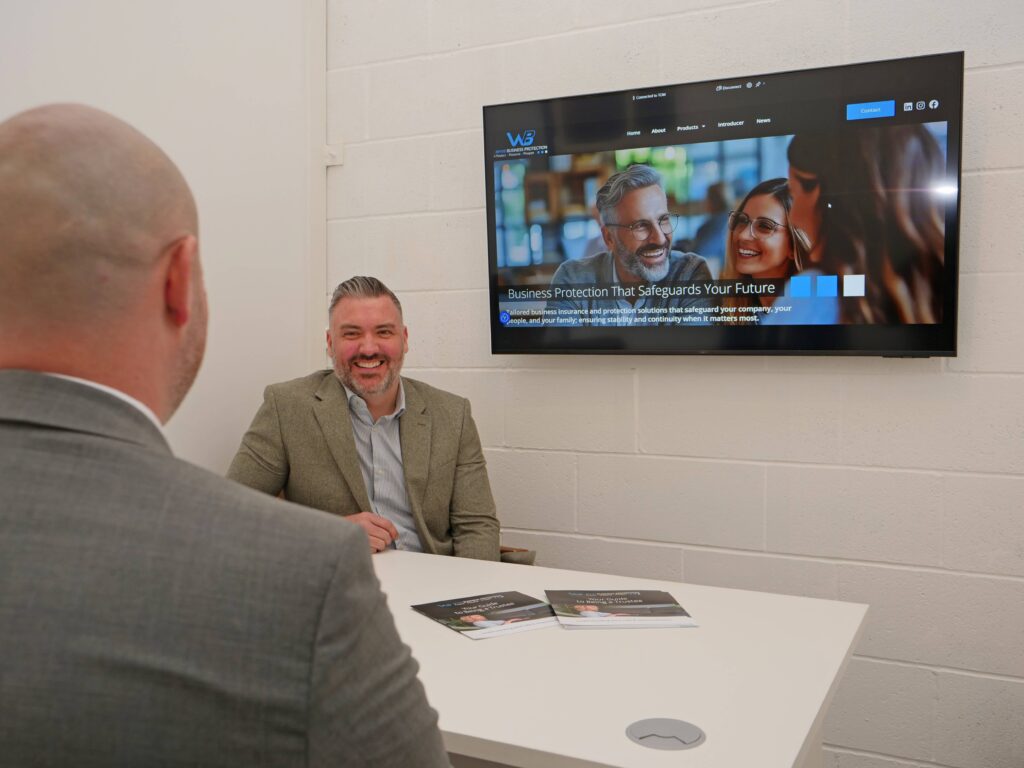
This period has also marked something of a relaunch for the business, with the introduction of a new Wyke Business Protection website. Designed to better reflect the company’s approach and services, it has already been well received by both clients and professional partners.
This growing activity reflects a wider shift in mindset among business owners.
Over the past 12 to 18 months, many businesses have been forced to look at risk differently. Rising costs, tighter margins and ongoing economic uncertainty have pushed business owners to take a closer look at how resilient their organisations really are. For some, that has meant reviewing suppliers or tightening financial controls. For others, it has meant rethinking hiring plans, delaying investment, or putting growth initiatives on hold.
But one area is quietly becoming more prominent in those conversations and it’s not always the one people expect – it’s the people behind the business In many SMEs, a significant proportion of value sits with a relatively small number of individuals. That might be a founder managing key client relationships, a senior employee with specialist knowledge, or a director responsible for day-to-day decision-making.
In stronger economic conditions, that level of dependency is often overlooked. When things are running smoothly, it rarely feels like a priority. The focus tends to remain on growth and day-to-day operations rather than what might happen if circumstances change.
More recently, that mindset has started to shift.
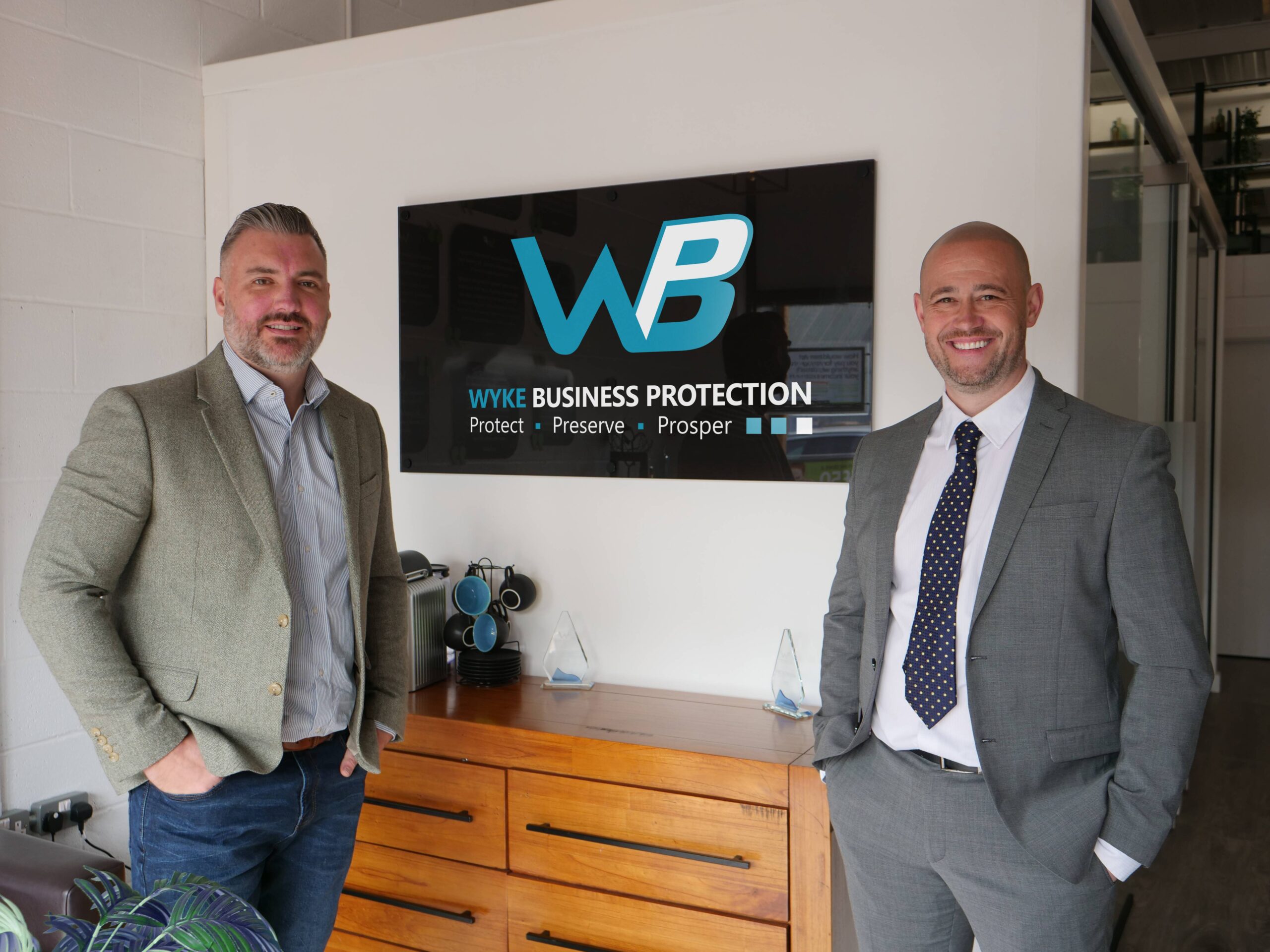
“What we’re seeing more often now is business owners taking a step back and asking how resilient their business really is,” said Gareth Smith Dip CII, Director of Business Protection at Wyke Business Protection. “It’s not being driven by fear, it’s just a more practical way of thinking. When margins are tighter and teams are leaner, the impact of losing a key person becomes much more obvious.”
Business owners are becoming increasingly aware that losing a key individual, even temporarily, can create immediate operational and financial pressure. With teams already stretched and recruitment more challenging than it has been in previous years, replacing experience and knowledge is rarely straightforward.
In some cases, that pressure builds quickly. Projects slow down, decision-making becomes more difficult, and the wider team is left trying to fill gaps that were never designed to be shared. Even short periods of disruption can have a knock-on effect on revenue, client relationships and long-term planning.
Wyke Business Protection is seeing more conversations where business owners are asking a simple question: ‘If something changed tomorrow, how would the business cope?’
It’s not a dramatic question, but it’s an important one, and in many cases, the answer isn’t immediately clear. Some businesses discover that a large proportion of their revenue is closely tied to one or two individuals. Others realise that key decisions rely heavily on knowledge that has built up over time and isn’t easily transferable.

There are also practical considerations around ownership.
In businesses with multiple shareholders, it’s not always fully understood what would happen if one of them were to pass away.
Without clear agreements in place, ownership can pass to family members who may have no involvement or interest in the business, creating uncertainty at a difficult time.
These are not unusual situations. They are part of how many businesses naturally evolve. What is changing is the level of attention they are receiving.
More business owners are taking the time to step back and look at these risks in a structured way, not because something has gone wrong, but because the wider business environment has made resilience a higher priority.
That process doesn’t need to be complicated. In most cases, it starts with understanding where the business is most exposed and what would realistically happen if circumstances changed. From there, solutions can be put in place that provide financial support and clarity, allowing the business to continue operating while decisions are made.
Importantly, these conversations are becoming more joined up.
“We’re seeing more discussions involving business protection specialists, accountants, legal advisers and business owners all looking at this together,” added Gareth. “When those conversations happen early, the outcome is always stronger because everything is aligned from the start.”
This collaborative approach is becoming increasingly important, particularly as businesses grow and their structures become more sophisticated.
Ultimately, this shift isn’t being driven by fear or pessimism. It’s being driven by a more practical mindset.
Business owners are recognising that resilience is just as important as growth, and that understanding where a business is vulnerable is a key part of building something that lasts. For many, the biggest change has simply been making the time to think about it.
Because while no one expects something to go wrong, the businesses that cope best are usually the ones that have already asked the question and taken steps to answer it.
Learn more about Wyke Business Protection.